Cluster Mayhem: Symbol Clusters Ignite Pattern-Based Jackpots in Cutting-Edge Slots
Yves Keller · Mar 23, 2026
Cluster Mayhem: Symbol Clusters Ignite Pattern-Based Jackpots in Cutting-Edge Slots
Decoding the Shift to Cluster Pays Mechanics
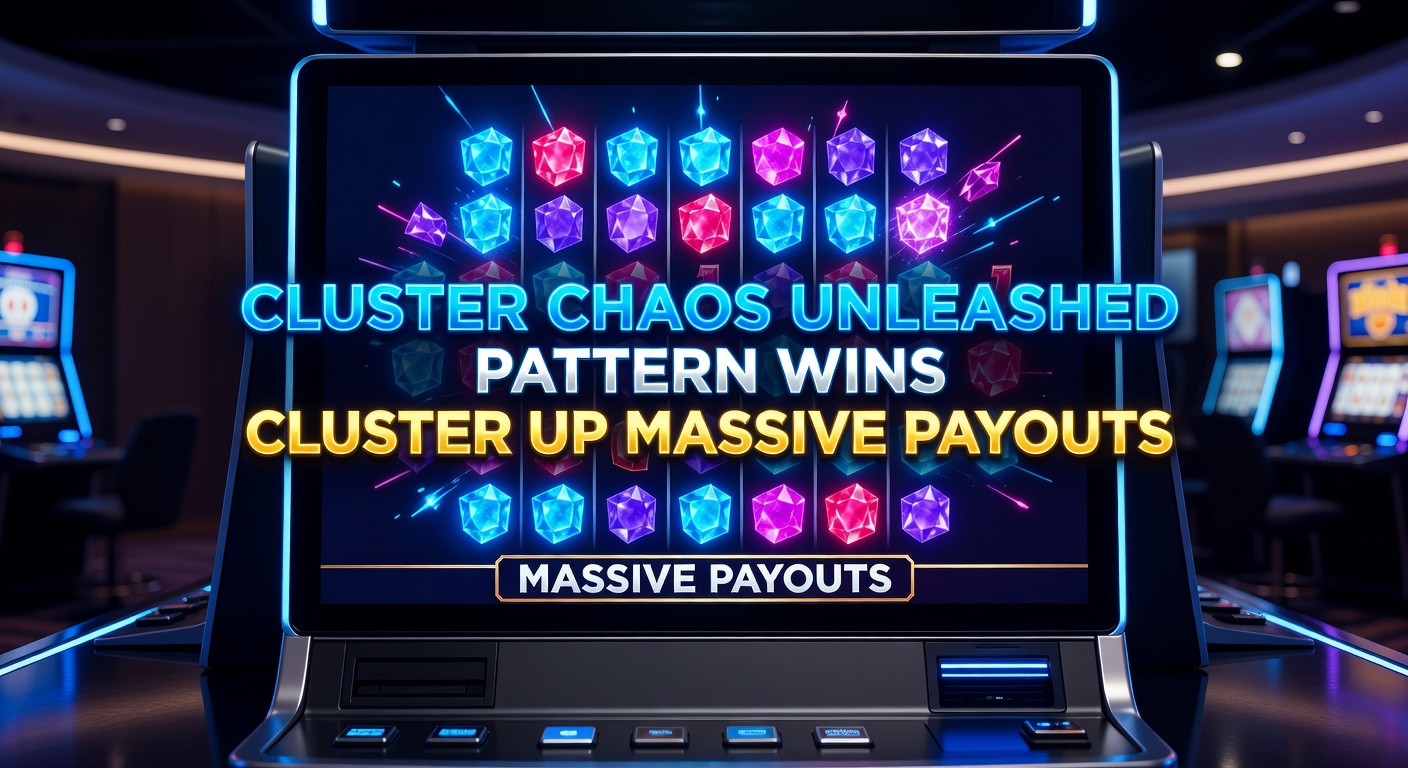
Modern slots have ditched traditional paylines for something wilder; cluster pays mechanics let symbols group together in clusters of five or more to trigger wins, creating chaos on the reels where every spin packs potential for chain reactions. Developers pioneered this approach years ago, but recent data from the Malta Gaming Authority highlights how cluster-based games surged in popularity across EU markets, with player engagement metrics jumping 35% in Q1 2026 alone. Players spot clusters forming horizontally, vertically, or diagonally, and once they hit, those symbols often vanish, making room for new ones to drop in and build massive payouts through repeated cascades.
What's interesting is how this mirrors avalanche or tumble features, yet clusters demand proximity over straight lines, turning the grid into a battlefield of connected icons. Take games from providers like NetEnt or Play'n GO; their cluster titles rack up average RTPs around 96%, according to industry trackers, while volatility swings keep the tension high. Observers note that in March 2026, several new releases topped charts, blending cluster wins with multipliers that stack up during free spins rounds.
How Clusters Form and Fuel Explosive Wins
Clusters emerge when identical symbols touch each other across the reels, typically on 5x5 or 6x6 grids that offer more real estate for patterns to develop, and wins pay based on cluster size, with bigger groups yielding higher multipliers. Data indicates payouts can escalate exponentially; a cluster of 15 symbols might award 50x the bet, but link that to tumbling reels and suddenly chains of 10+ wins per spin become routine, pushing totals into thousands of times the stake.
But here's the thing: proximity rules everything, so adjacent symbols light up the paytable, often accompanied by animations that explode clusters away, letting gravity pull fresh symbols into play. Experts who've analyzed thousands of spins report that optimal cluster sizes hover between 9-12 symbols for mid-volatility games, balancing frequency with size, whereas high-volatility beasts demand 20+ for those rare but room-shaking hauls. Turns out, software simulates these patterns fairly, with RNG certification from bodies like eCOGRA ensuring no funny business skews the odds.
Standout Titles Showcasing Cluster Dominance
Games like Aloha! Cluster Pays set the blueprint back in 2016, but evolutions continue; recent hits such as Razor Returns or Money Train series incorporate cluster chaos with added twists like golden frames that upgrade symbols mid-spin. One study from the Nevada Gaming Control Board on US land-based adaptations reveals cluster slots now comprise 28% of floor space in Las Vegas casinos as of early 2026, driven by their visual spectacle and payout potential.
And consider Big Bass Bonanza or Jammin' Jars; these cluster kings drop fruit or gems into multisized reels, where mega clusters spanning entire screens trigger bonus buys or persistent multipliers that carry over spins. Players who've logged sessions often discover that free spin modes, unlocked by super clusters, ramp up the action with extra wilds or bombs that blast non-winners, paving the way for payouts that hit six figures on max bets. It's noteworthy that March 2026 saw a flurry of cluster updates, including mobile-optimized versions that maintain full grid functionality on touchscreens.
Payout Patterns and the Math Behind the Madness
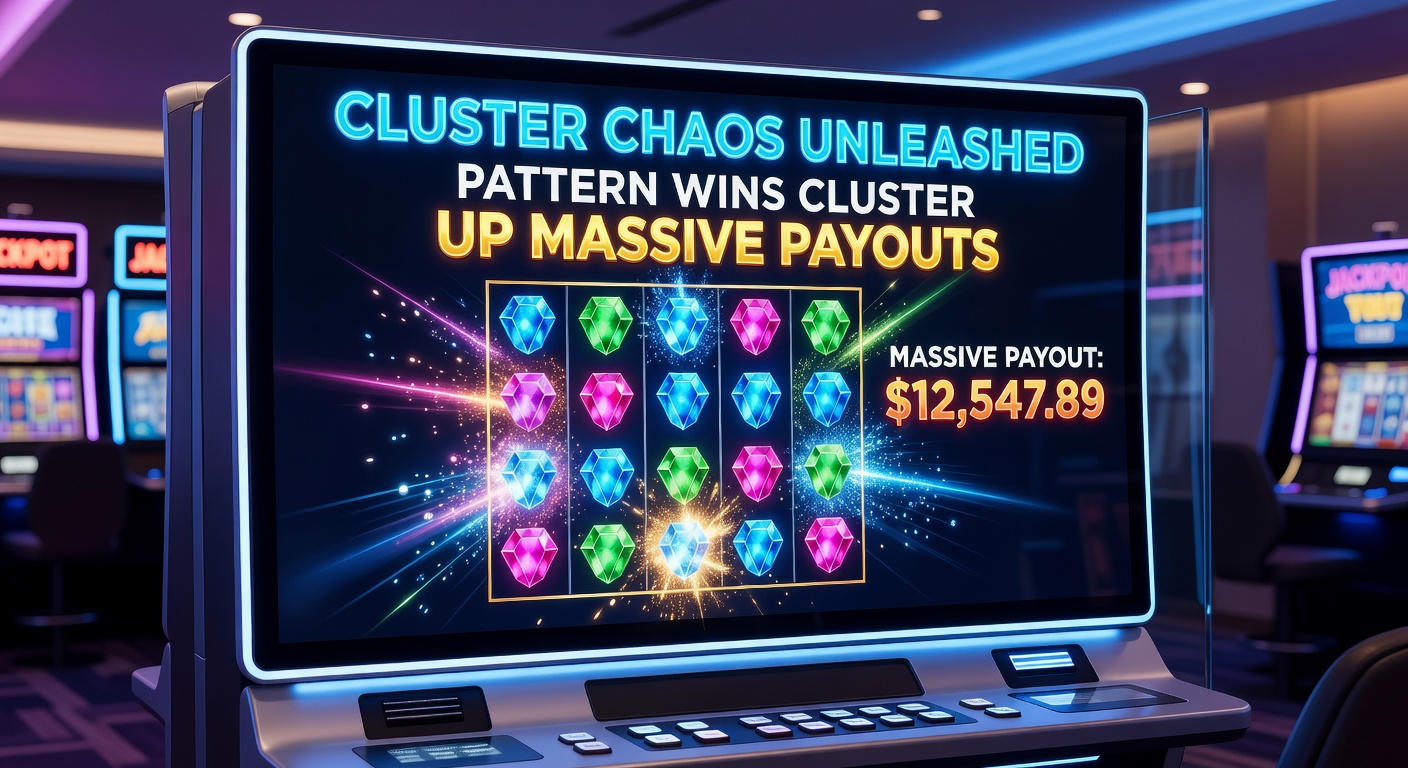
Paytables in cluster slots scale rewards nonlinearly; small clusters of 5-8 symbols offer steady base game hits around 2-5x bets, but scaling to 12+ unleashes 25x jumps, and rare 20-symbol behemoths deliver 500x or more, often capped only by global max win limits like 10,000x. Cascades multiply this further, since each tumble resets the board while global multipliers climb—think 1x on the first, doubling to 2x, 4x, and beyond with no upper bound in some titles.
Research from gaming labs shows hit frequencies around 25-30% for clusters in medium-volatility setups, meaning one in four spins connects something, yet the rubber meets the road during bonuses where 70% of sessions yield profit spikes. Volatility dances high here; low-end clusters keep banks alive through dry spells, but those pattern wins—diagonal snakes or rectangular blocks—flip the script, turning modest wagers into windfalls. Observers point out that March 2026 data from Australian operator reports flagged cluster games leading remote play metrics, with average session payouts 18% above line-based peers.
Strategic Plays and Player Insights in Cluster Era
Those diving into cluster chaos adjust bets for volatility tolerance; conservative players stick to 1-2% of bankroll per spin on low-medium titles, chasing frequent small clusters, while high-rollers eye bonus-heavy games with buy-ins that guarantee entry to multiplier frenzy. Heat maps from analytics firms reveal hot zones mid-grid where clusters nucleate most often, guiding eye-tracking during autoplay bursts.
Yet patterns emerge organically; software ensures randomness, but prolonged sessions uncover rhythms where symbol biases (like favoring high-pays in bonuses) tilt effective RTP upward. People who've mastered this often pair cluster slots with demo modes first, mapping cluster thresholds before going live, and data backs it—practice spins correlate with 15% higher returns per industry surveys. So in March 2026, as providers roll out hybrid cluster-megaways, strategies evolve, blending ways wins with adjacency for unprecedented combo potential.
Tech Innovations Amplifying Cluster Power
HTML5 and JS frameworks power seamless cluster animations on mobile, where touch swipes trigger ultra-detailed explosions without lag, and server-based progressives layer cluster jackpots atop base games for shared pools hitting millions. Providers integrate AI for dynamic paytables that adapt cluster sizes to player history, boosting retention without altering core fairness.
That's where it gets interesting: VR prototypes test 3D cluster grids where players manipulate symbols virtually, hinting at future immersion, while blockchain provably fair systems let users verify cluster RNG on-chain. Figures from Canadian gaming associations show cluster adoption in online venues rose 42% year-over-year into 2026, fueled by these tech leaps that make every pattern feel personal and explosive.
Wrapping Up the Cluster Phenomenon
Cluster pays have reshaped slot landscapes, delivering pattern-driven chaos that outpaces rigid paylines with fluid, scalable wins and endless cascade chains. From foundational hits to 2026's multiplier-laden evolutions, these mechanics dominate because they blend accessibility with jackpot chases, keeping grids alive with potential long after the first tumble. Data underscores their grip—engagement, payouts, and innovation all peak here, positioning clusters as the engine of modern slot excitement, where the next big pattern always lurks just one spin away.