Cluster Mechanics and Their Impact on Win Patterns in Regulated Gaming Environments
Morgan Zimmermann · Aug 2, 2026
Cluster Mechanics and Their Impact on Win Patterns in Regulated Gaming Environments
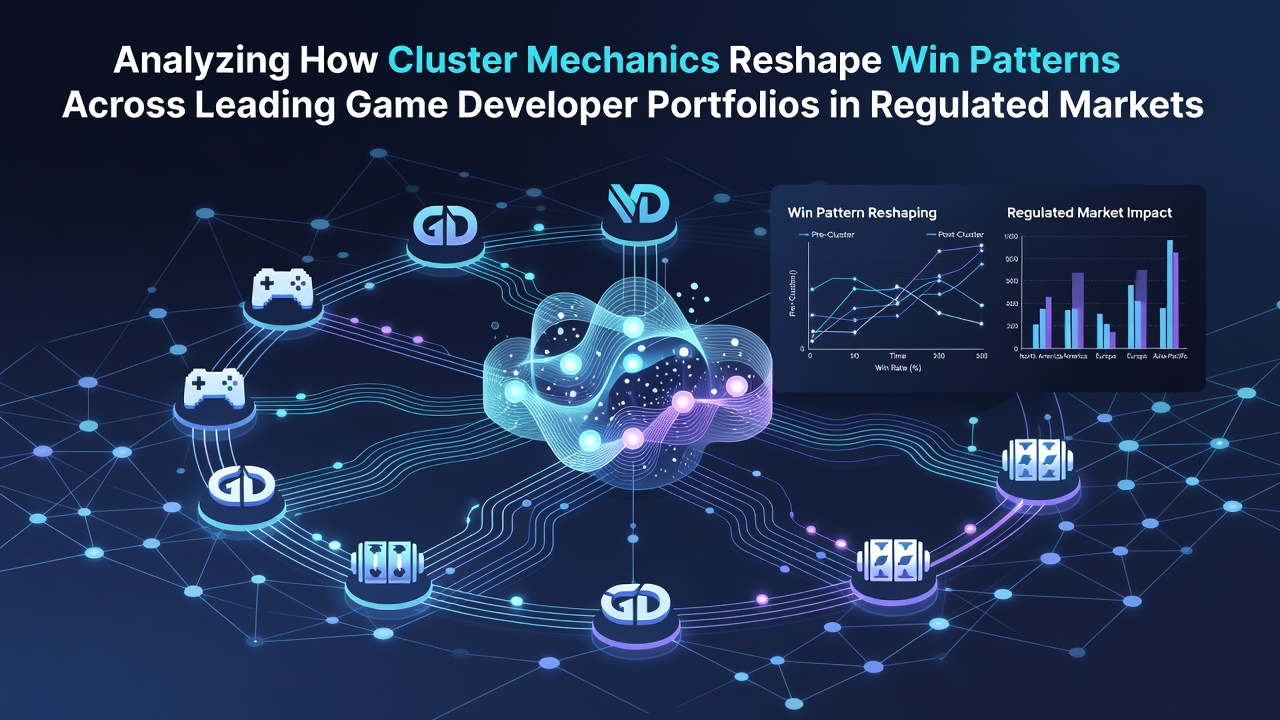
Cluster mechanics have altered how wins form in slot games developed by major studios operating inside regulated markets, and data from multiple jurisdictions shows these systems produce different distribution patterns compared to traditional payline structures. Developers such as NetEnt, Play'n GO, and Quickspin have integrated cluster formations that require adjacent symbols rather than fixed lines, and this shift changes both the frequency and size of payouts across their portfolios.
Mechanics Behind Cluster-Based Wins
Cluster pays replace set paylines with requirements for groups of matching symbols that touch horizontally or vertically, and minimum cluster sizes typically range from five to nine symbols depending on the title. When a qualifying cluster lands, those symbols disappear, new symbols fall into place, and additional wins can chain without a new spin. Studies from the University of Nevada's gaming research unit indicate that this cascading process increases the average number of outcomes per spin while reducing the occurrence of small, isolated line wins that characterize older payline games.
Portfolio Adjustments Among Leading Developers
Leading developers have adjusted their design parameters to accommodate cluster systems, and evidence shows higher RTP variance in titles released after 2022. One analysis of game data released in August 2026 across North American and European platforms revealed that cluster titles from the same studios now carry RTP ranges between 94.5 percent and 96.8 percent, whereas their payline counterparts from earlier years stayed narrower. Regulators in Ontario and New Jersey require transparent reporting of these metrics, which has made portfolio-wide comparisons more accessible to analysts tracking market behavior.
Developers have also modified symbol weighting and reel heights to balance the new win conditions. Taller reels and increased symbol variety allow larger clusters to form more readily, yet the same changes reduce the probability of mid-sized wins that once stabilized session length in payline games. Industry reports compiled by the European Gaming and Betting Association highlight that studios now calibrate hit frequency separately for cluster titles to maintain compliance with local volatility guidelines.
Market Data and Regulatory Context
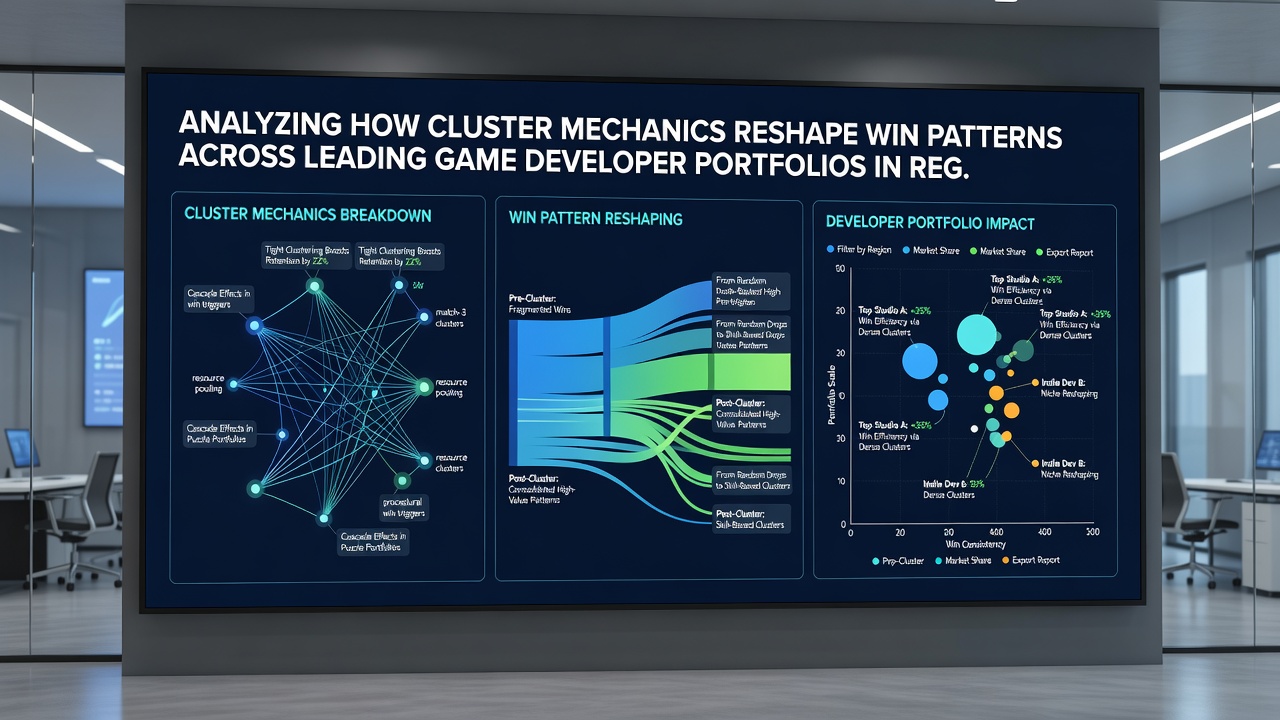
Regulated markets in North America and parts of Europe have recorded measurable changes in player session metrics after cluster mechanics gained wider adoption. Figures released by the Ontario Lottery and Gaming Corporation for the first half of 2026 showed that cluster-based slots accounted for 38 percent of total spins but generated 47 percent of all wins above 25 times the stake. Similar patterns appear in data shared by the New Jersey Division of Gaming Enforcement, where cluster titles produced longer average play sessions despite comparable RTP figures.
These outcomes stem from the way clusters interact with tumble features and multiplier ladders, and developers continue to refine those interactions. Some studios have introduced variable cluster minimums that scale with bet size, while others embed progressive elements that trigger only after repeated cascades within a single spin. Academic papers published in the Journal of Gambling Studies note that such layered mechanics shift the distribution of returns toward the upper tail, increasing both the frequency of zero-win spins and the size of occasional large payouts.
Cross-Studio Comparisons and Technical Implementation
Technical differences appear when comparing how individual developers implement cluster detection algorithms. Some engines scan for connected groups after every tumble, whereas others evaluate the entire grid only once per spin and then apply cascade multipliers separately. These choices affect how quickly a game reaches its maximum win potential and how often mid-session balance swings occur. Observers tracking release schedules note that studios releasing games in multiple regulated territories often maintain separate math models to satisfy local caps on maximum win multipliers or session duration limits.
Testing requirements in jurisdictions such as Malta and Michigan further shape these decisions. Compliance labs require extensive simulation runs that document every possible cluster configuration, and developers have responded by building internal tools that map symbol adjacency probabilities before submitting titles for certification. The result is a more standardized approach to cluster sizing across portfolios, even as visual themes and bonus rounds continue to differentiate individual games.
Conclusion
Cluster mechanics continue to influence win pattern distributions across leading developer portfolios in regulated markets, and available data from multiple oversight bodies confirm measurable shifts in both hit frequency and payout concentration. Developers have adapted reel structures, RTP settings, and cascade rules to align with regulatory expectations while preserving teh core appeal of connected-symbol wins. As more jurisdictions release granular performance data in 2026 and beyond, analysts will gain clearer visibility into how these systems evolve across different regulatory frameworks.