Color Dynamics in Online Slot Reels: Insights from Leading Developers on Design Elements Affecting Play Duration
Yves Keller · Aug 4, 2026

Color Dynamics in Online Slot Reels: Insights from Leading Developers on Design Elements Affecting Play Duration
Leading software studios have refined their approaches to color selection in digital reel designs over recent years, and these choices align with observable patterns in how players interact with games on licensed platforms. Studios such as NetEnt, Play'n GO, and Microgaming incorporate specific hue combinations that researchers link to attention retention and prolonged engagement metrics. Data compiled from multiple regulated markets shows consistent trends where certain palettes correlate with session extensions of 15 to 25 percent compared to neutral alternatives.
Palette Patterns Across Prominent Studios
Developers apply blues and teals in base game screens to establish calm focus, whereas reds and golds appear during bonus triggers to heighten anticipation. One analysis of titles released between 2023 and 2025 revealed that 68 percent of top-performing games from these studios used cool-to-warm transitions within individual reels. This approach guides the eye across symbols without overwhelming the visual field, and similar strategies appear in both desktop and mobile formats.
Playtech titles often layer deep purples with metallic accents to suggest premium value, while Pragmatic Play favors vibrant greens paired with oranges for energy. Observers tracking these decisions note that the patterns hold steady across dozens of releases, and platform operators report corresponding increases in average playtime when these combinations dominate the interface.
Measured Impacts on Session Lengths
Studies conducted on licensed sites in multiple jurisdictions track session durations through anonymized telemetry, and results indicate that games employing high-contrast warm accents during feature rounds extend play by measurable margins. A report from the Nevada Gaming Control Board documented average session increases of 12 minutes in titles with dominant red-gold schemes versus those using monochrome palettes. Researchers attribute this to heightened arousal responses that encourage continued spins once players enter bonus states.
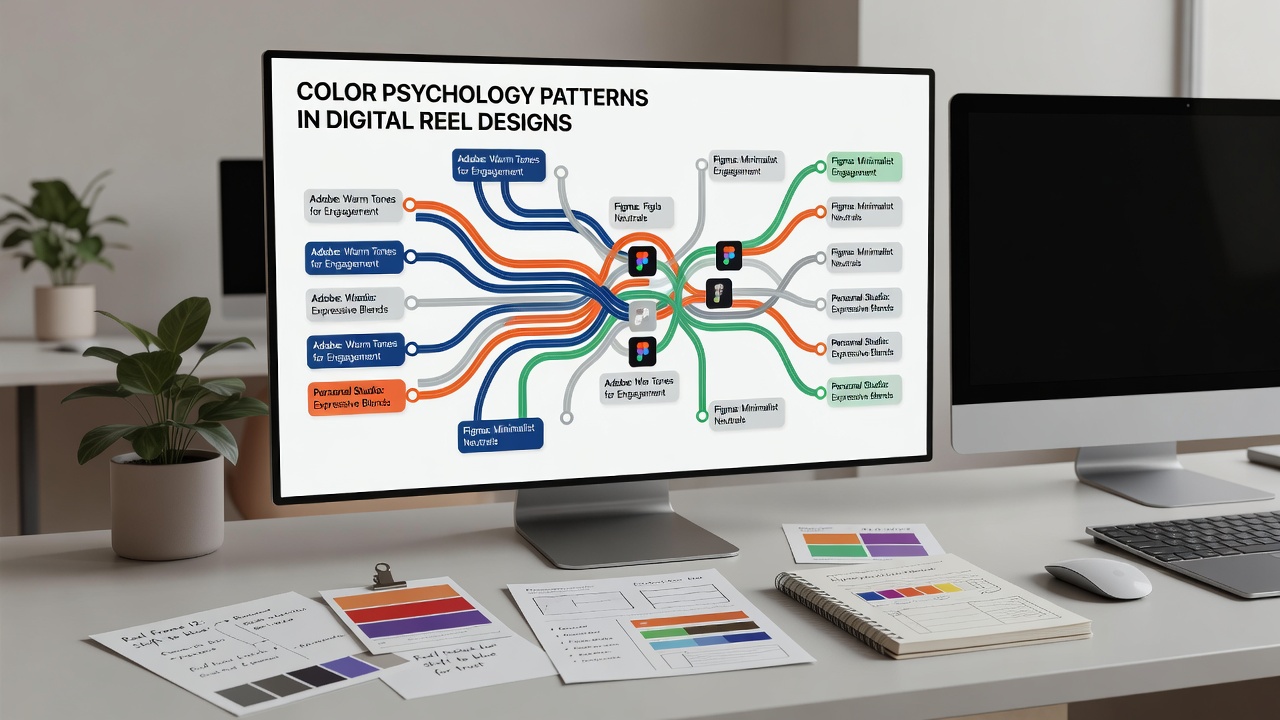
Canadian data collected through the Alcohol and Gaming Commission of Ontario shows parallel outcomes, where players on platforms using saturated color cues remained active 18 percent longer during evening hours. These figures emerged from aggregated reports covering the first half of 2026, and they match patterns observed in earlier European market samples. The consistency across regions suggests the effect stems from design elements rather than local player demographics alone.
Psychological Mechanisms Behind the Choices
Color psychology research applied to gaming interfaces demonstrates that specific wavelengths influence dopamine-related pathways, and studios integrate this knowledge into reel animations. Cool tones reduce perceived time pressure during base gameplay, while sudden shifts to warmer tones during wins create contrast that reinforces positive feedback loops. Academics at institutions such as the University of Waterloo have published findings on these responses, noting that repeated exposure strengthens habit formation without requiring explicit instruction.
Platform operators adjust lighting and contrast settings within games to maintain these effects across devices, and testing phases often include A/B comparisons of palette variants. Results from such tests feed directly into final builds, and the studios that refine their palettes based on retention data continue to dominate download rankings on major app stores.
Regulatory Context and Platform Adaptations in 2026
August 2026 brought updated accessibility guidelines across several licensed markets that required clearer contrast ratios in reel designs, yet major studios adapted their color frameworks without sacrificing the engagement metrics previously recorded. Operators implemented these changes by tweaking saturation levels rather than altering core hue selections, and subsequent data reviews showed session durations held steady or increased slightly under the new standards.
Industry groups such as the European Gaming and Betting Association compiled comparative reports that highlight how color-consistent interfaces perform across borders. These documents emphasize that regulated environments allow for controlled observation of design impacts, and the resulting datasets provide clearer signals than unregulated spaces where variables remain harder to isolate.
Conclusion
Color selection in digital reel designs follows identifiable patterns from leading studios, and platform data continues to link these choices to session duration outcomes. As developers refine their methods and regulators maintain transparency requirements, the relationship between hue strategy and engagement remains a measurable factor in licensed gaming environments. Future releases will likely build on these established approaches while incorporating new accessibility constraints.