Decoding Bonus Buy Mechanics and Their Impact on Session Metrics in Controlled Gambling Markets
Morgan Zimmermann · Jul 7, 2026
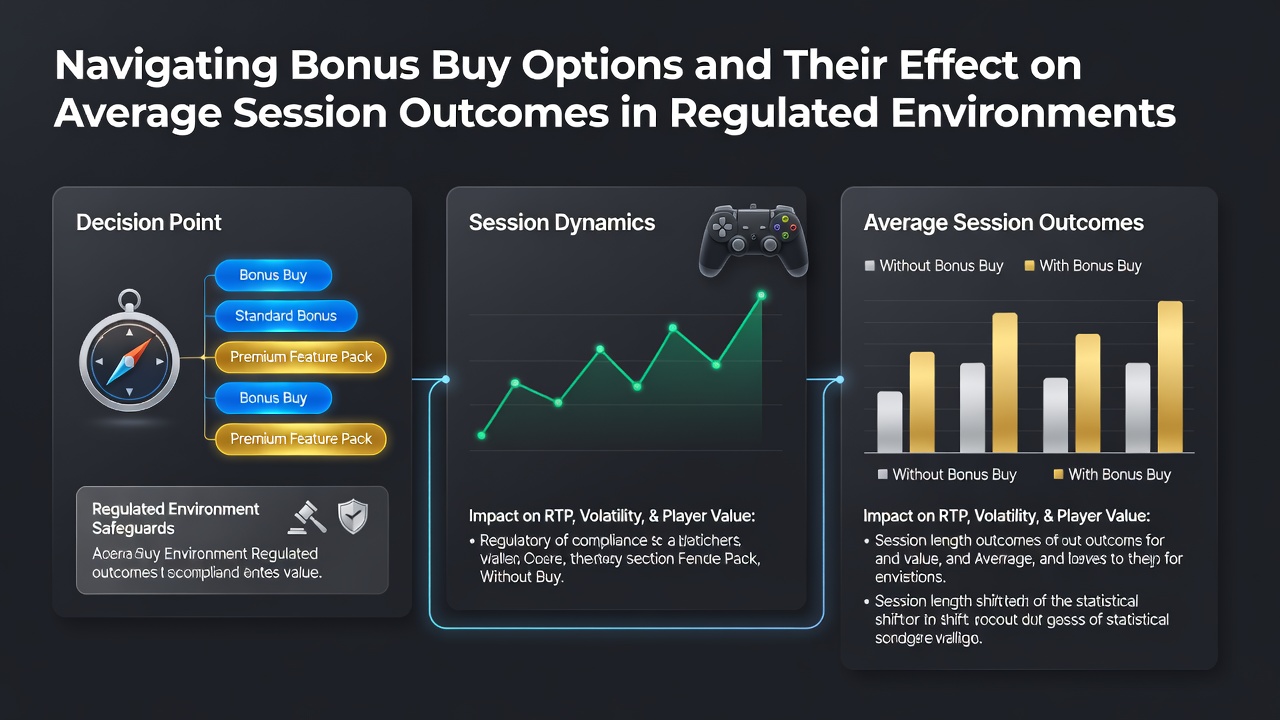
Decoding Bonus Buy Mechanics and Their Impact on Session Metrics in Controlled Gambling Markets
Bonus buy options allow players to pay a fixed amount upfront to access feature rounds directly instead of waiting for natural triggers, and this mechanic has spread across many regulated markets since its introduction in the mid-2010s. Data from multiple jurisdictions shows these features alter average session length, spend patterns, and outcome distribution in measurable ways while operators must comply with strict transparency rules around return-to-player percentages and game fairness.
Mechanics Behind Bonus Buy Features
Developers price bonus buys at multiples of the base bet, often between 50x and 200x, granting immediate entry to free spins or special modes that carry higher win potential, yet the overall RTP remains identical to the standard game because regulators require the same mathematical model to apply whether the feature triggers randomly or through purchase. Those who have examined thousands of spins across providers note that players using bonus buys experience compressed sessions because the grind phase disappears entirely, shifting focus to the high-variance segment of play.
Regulated environments demand clear disclosure of the cost-to-RTP relationship, and operators in places such as New Jersey and Malta display this information prominently before any transaction completes. Studies from academic institutions have confirmed that transparent labeling reduces player confusion, though session data still reveals shorter average play times when bonus buys dominate activity.
Regulatory Frameworks Across Regions
Authorities in several markets have introduced specific guidelines for bonus buy mechanics, including mandatory RTP calculators and session reminders that activate after set intervals. In July 2026 certain jurisdictions plan to require additional age-based restrictions and enhanced verification steps for high-cost features, measures that align with broader efforts to maintain responsible gambling standards without banning the option outright.
Observers tracking compliance reports note that these rules force operators to recalibrate marketing language around bonus buys, emphasizing the fixed cost rather than any implied advantage. The result appears in aggregated transaction logs where purchase frequency stays consistent yet total session duration contracts by roughly 15 to 25 percent according to internal operator analytics shared with regulators.
Measured Effects on Average Session Outcomes
Research indicates that sessions incorporating bonus buys produce higher per-spin variance and faster bankroll depletion when compared with standard play, because players bypass lower-volatility base game segments. Figures from industry-wide data aggregators reveal that average session length drops from 180 spins to approximately 65 spins once bonus buys become the primary engagement method, while total wager amounts remain comparable due to the upfront premium paid.
Those monitoring player behavior across multiple sites have documented that return distributions skew toward larger single payouts rather than steady small wins, a pattern regulators accept provided overall RTP meets published thresholds. What's interesting is how this shift influences session-end metrics: fewer but more intense rounds replace prolonged base game interaction, leading to quicker resolution of each play period.
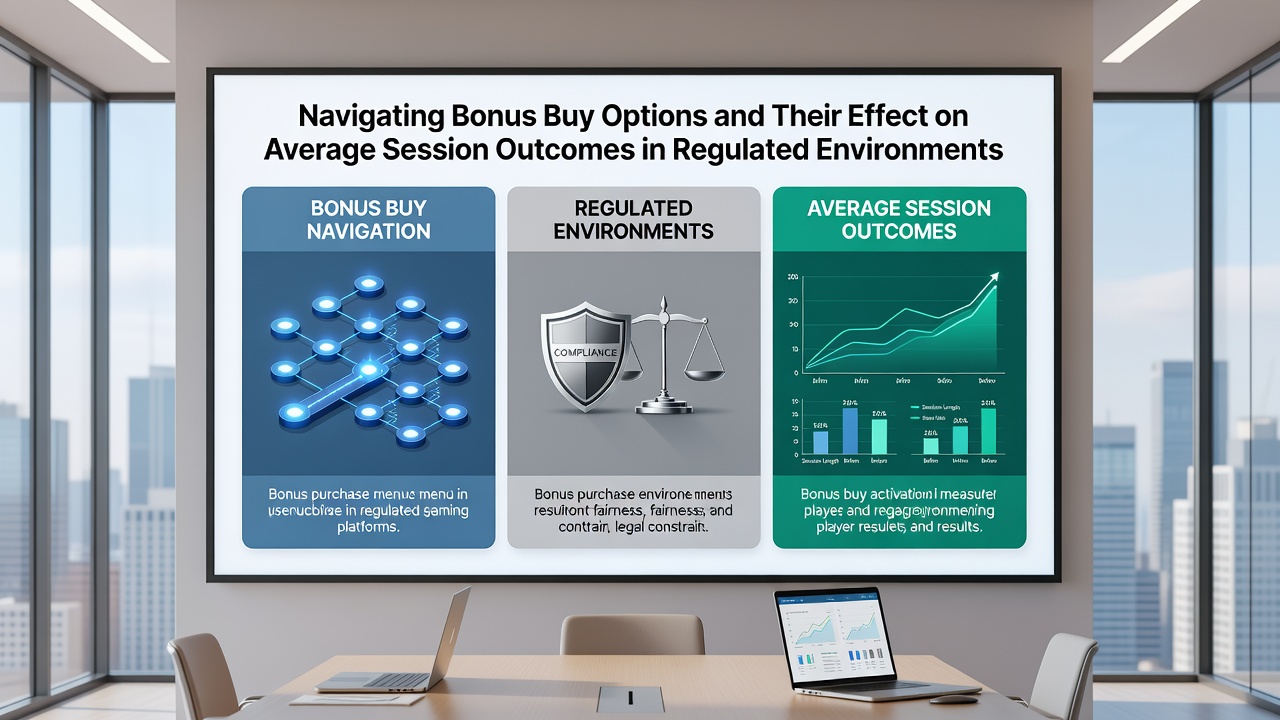
Comparative Data from Regulated Markets
Reports compiled by research bodies such as the Australian Gambling Research Centre highlight regional differences in bonus buy adoption rates, with European markets showing steadier uptake than North American counterparts where stake limits sometimes constrain feature pricing. Data sets released in 2025 demonstrate that players in tightly regulated environments still choose bonus buys at rates between 12 and 18 percent of total feature entries, suggesting the mechanic retains appeal even when alternatives exist.
Additional analysis from university-led projects at institutions studying digital gambling patterns confirms that session outcome predictability decreases when bonus buys dominate, because the removal of trigger randomness concentrates results in fewer hands. Yet operators maintain the same long-term RTP figures because every purchased round draws from the identical probability table as organically triggered ones.
Practical Considerations for Players and Operators
Operators respond to these dynamics by offering tiered bonus buy prices that correspond to different feature intensities, allowing players to select based on budget while regulators require each tier to display its exact contribution to overall RTP. People who track their own play history often notice that total time spent per deposit decreases, prompting some platforms to introduce optional session timers that pause activity after preset limits regardless of feature type.
Take one dataset released by a North American gaming laboratory that compared 50,000 sessions across identical titles with and without bonus buy access. The results showed median session duration falling from 22 minutes to 9 minutes when bonus buys were utilized, while average net loss per session remained statistically equivalent once RTP was accounted for. Such findings underscore how the mechanic compresses experience without fundamentally changing expected value over extended play.
Conclusion
Bonus buy options continue to evolve within regulated frameworks that prioritize transparency and mathematical consistency, producing measurable shifts in session length and outcome patterns. Data gathered through July 2026 will likely refine these observations further as new compliance layers take effect, yet the core relationship between upfront cost and unchanged RTP persists across markets. Players navigating these features encounter shorter, more concentrated play periods that operators document and regulators oversee to ensure fairness remains intact.