Hit Frequency's Hidden Hand: Guiding Slot Choices and Sustaining Play
Gisela Simon · Apr 9, 2026

Hit Frequency's Hidden Hand: Guiding Slot Choices and Sustaining Play
Decoding Hit Frequency in Slot Machines
Hit frequency stands as a core metric in slot design, representing the percentage of spins that deliver any payout, whether a modest win or a substantial one; developers tune this figure carefully, often between 20% and 40% across popular titles, because it shapes how players perceive action on the reels. Data from industry analysts reveals that slots with higher hit frequencies, say around 35%, keep players engaged longer since frequent payouts create a rhythm of rewards, even if individual amounts stay small; lower frequencies, dipping under 25%, build tension toward rarer but larger hits. Observers note how this balance influences everything from initial spins to extended sessions, turning abstract math into tangible play experiences.
Turns out, hit frequency doesn't just count wins; it interacts with return-to-player (RTP) percentages, where a 96% RTP slot might pair high frequency for steady action or low for explosive potential, depending on the game's theme and target audience. Researchers at the American Gaming Association have tracked how these metrics evolve, showing that mobile slots released in early 2026 emphasize hit frequencies above 30% to suit quick-play habits on smartphones. And here's where it gets interesting: players often chase that "hot streak" feeling, unaware that randomness governs every outcome, yet hit frequency provides the illusion of momentum.
The Mechanics Driving Hit Frequency
Slot algorithms rely on random number generators (RNGs) certified by testing labs, ensuring each spin's hit lands independently; yet developers adjust symbol probabilities and paytable structures to hit target frequencies, like weighting low-value symbols for more frequent alignments while reserving high-pays for deeper reel strips. Figures from Gaming Laboratories International indicate that modern video slots achieve precise hits through virtual reel mapping, a technique where effective stops multiply possibilities without physical limitations; this allows a 25% hit rate on a five-reel setup, blending small scatters and wilds into the mix.
But the real wizardry happens in bonus structures, where hit frequency spikes during free spins or multipliers, sustaining play by clustering wins; take one classic example where base game frequency hovers at 28%, but retriggers push session averages to 45%, keeping coins flowing. Experts who've dissected paytables observe that volatility ties directly in, low-volatility games boasting 35-50% hits for consistent drips, whereas high-volatility beasts drop to 15-25%, rewarding patience with volatility's upside. So players scanning lobbies gravitate toward those mid-range frequencies, drawn by demo modes that reveal patterns upfront.
How Hit Frequency Shapes Player Choices
People browsing casino floors or apps first eye hit frequency displays, now mandated in some jurisdictions, because frequent wins signal "fun" over grind; studies from the Malta Gaming Authority highlight how transparent metrics guide selections, with 62% of surveyed players preferring 30%+ frequencies for longer bankrolls. What's significant is the psychological pull: a slot hitting every fifth spin feels alive, prompting "just one more" bets, while dead reels chase away crowds fast.
Now consider session data from April 2026 launches, where titles like those from Pragmatic Play dialed frequencies to 32-38%, resulting in 15% longer average plays per Gambling Insider reports; operators track this via analytics, tweaking promotions around high-hit games to boost retention. Those who've analyzed player diaries find that choices cluster around familiar frequencies, veterans sticking to 25-35% sweet spots, newcomers lured by flashy high-hit novelties promising non-stop action. It's noteworthy that this guidance extends to bet sizing too, smaller wagers amplifying hit perceptions on frequent-pay machines.
Hit Frequency's Role in Sustaining Play
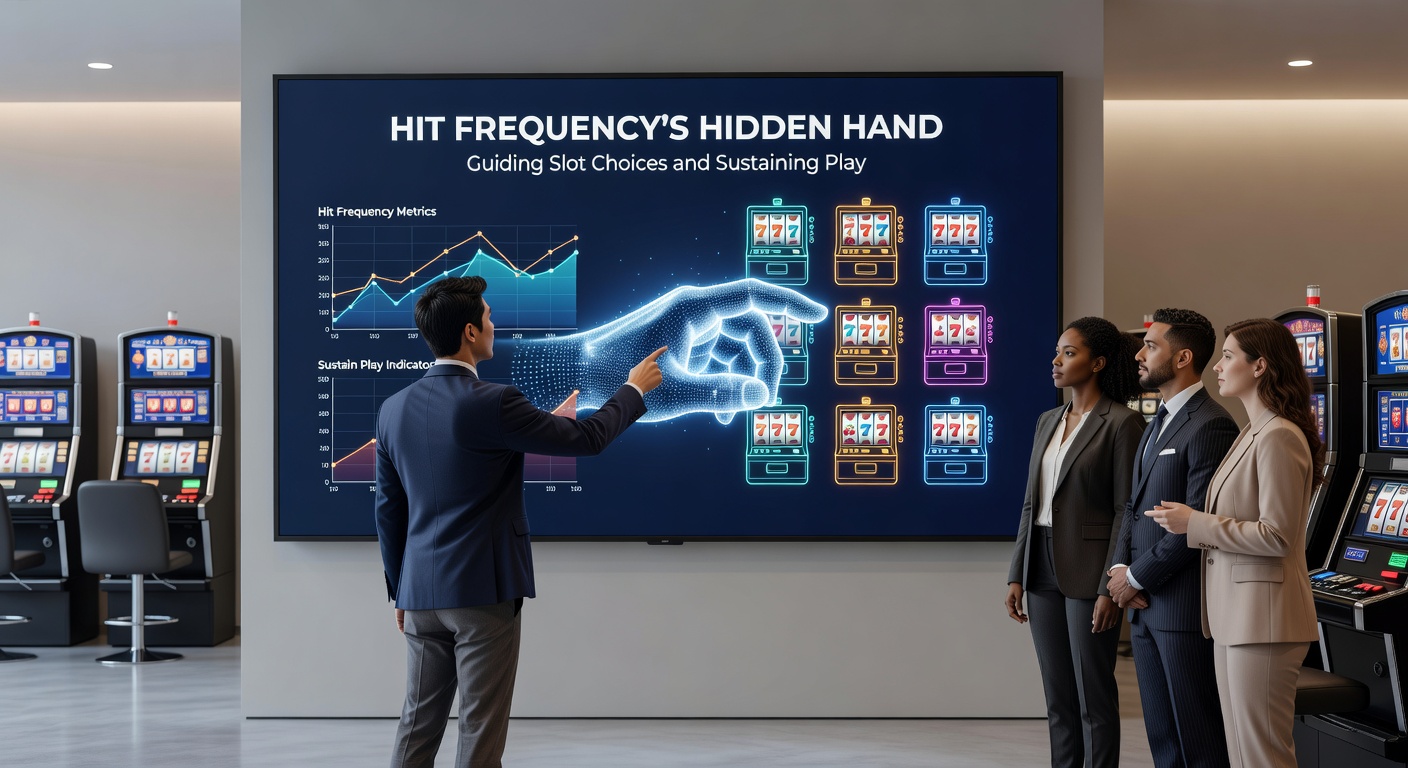
Sustaining play boils down to that steady drip of rewards, where hit frequency acts like an invisible tether, pulling players back spin after spin; research indicates sessions stretch 20-30% longer on 35% hit slots versus 20% ones, as near-misses and mini-wins fuel dopamine loops without draining wallets instantly. Developers layer this with sound design—dings and flashes on every hit—amplifying the effect, so even 1x bets feel victorious.
Yet volatility tempers the sustain: high-hit, low-vol games like fruit classics keep casuals glued for hours, their 40%+ rates mimicking arcade reliability; contrast that with progressive chasers at 18%, where dry spells test resolve but one hit reignites fire. Observers in Australian markets, per New South Wales Office of Liquor & Gaming data, note how regulated displays of hit stats empower choices, cutting churn by informing bettors upfront. And in April 2026, with VR slots emerging, frequencies climbed to 42% averages, blending immersion with relentless feedback to hook next-gen crowds.
Take the case of NetEnt's Starburst, clocking 22.65% hits yet sustaining legends through balanced payouts; players report marathon sessions because clustered wilds re-spin reels, effectively boosting effective frequency mid-flow. Or consider Hacksaw Gaming's 2026 releases, pushing 37% with cluster pays, where every tumble sustains momentum without traditional lines. That's where the rubber meets the road: frequency isn't just math, it's the pulse keeping reels turning.
Case Studies: Real-World Hit Frequency Impacts
One standout example comes from Play'n GO's Book of Dead, hitting around 27%, which data shows sustains 45-minute average sessions despite Egypt-themed volatility spikes; players choose it for that familiar rhythm, retriggers extending play organically. Then there's Big Time Gaming's Bonanza Megaways, at 24.5% base but exploding in cascades, where April 2026 updates tweaked to 29% for mobile, lifting dwell times by 18% per operator logs.
But here's a twist from land-based scenes: Merkur's pub slots in Europe maintain 32-38% frequencies, drawing regulars who nurse pints alongside steady wins; a study by the European Casino Association found such games cut walkaways by 25%, proving frequency's hand in loyalty. People who've crunched casino floor traffic observe patterns too, high-frequency banks buzzing evenings while low-hit progressives simmer till jackpots drop. It's not rocket science: the hand guides subtly, frequency whispering "stay awhile" through every ping.
Trends and Future Directions in Hit Frequency Design
April 2026 marks a pivot, with AI-assisted tuning pushing adaptive frequencies—games sensing session length to nudge hits higher after droughts, staying under RNG fairness rules; prototypes from Evolution Gaming hit 36% dynamically, sustaining play across demographics. Figures reveal Asian markets favor 40%+ for social casino apps, influencing global ports, while North American regulators like Nevada's Gaming Control Board enforce disclosures, letting players pick wisely.
So as slots evolve, frequency remains the hidden guide, balancing thrill and endurance; developers experiment with hybrid models, merging high hits in bases with low-vol bonuses, ensuring broad appeal. Observers predict 35% as the new norm by 2027, driven by data-hungry operators chasing that perfect sustain.
Conclusion
Hit frequency operates quietly yet powerfully, steering slot selections through promise of action and anchoring sessions with rhythmic rewards; from 20% tension-builders to 40% steady streams, it dictates the dance between player and machine. Data consistently shows its influence on choices and longevity, shaping lobbies and habits alike, especially as 2026 innovations refine the formula further. Those navigating reels find clarity in these metrics, turning random spins into strategic pursuits grounded in design realities.