Mapping Cluster Mechanics Integration Among Mid-Tier Studios Targeting Regional Markets
Yves Keller · Jun 30, 2026
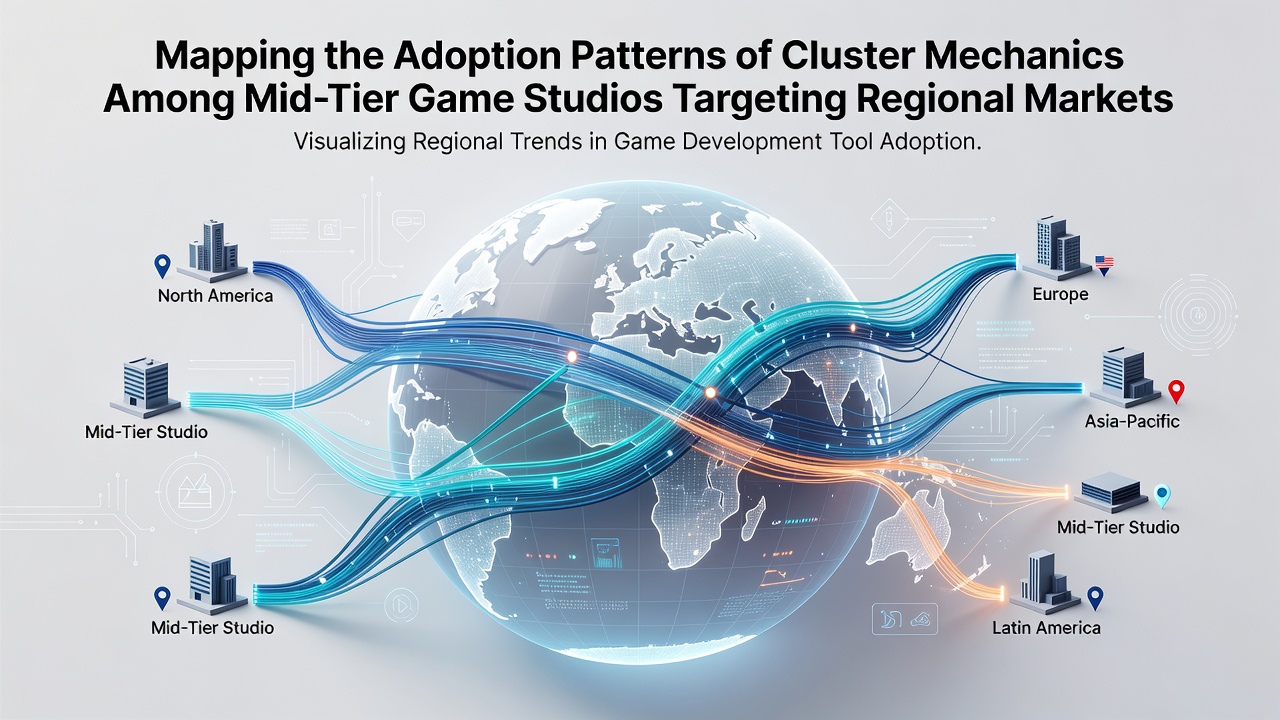
Mapping Cluster Mechanics Integration Among Mid-Tier Studios Targeting Regional Markets
Cluster mechanics have shifted from niche experiments to core design choices in many slot titles, and mid-tier studios now drive much of that change when they focus on regional markets. These developers balance technical demands with player preferences that vary sharply across territories, and adoption rates reflect both opportunity and constraint. Data from industry reports shows steady growth in cluster-based titles released by studios outside the largest publishers, particularly in markets where localized themes and payout structures matter most.
Core Elements of Cluster Mechanics
Cluster mechanics replace traditional paylines with groups of matching symbols that connect horizontally or vertically, and wins form when clusters reach a minimum size. This structure allows symbols to cascade or explode after each win, which opens space for chain reactions and multiplies potential outcomes in a single spin. Studios targeting regional markets adjust cluster sizes, symbol distributions, and multiplier triggers to align with local expectations, and evidence from development logs indicates these tweaks often improve retention metrics in test markets.
Design teams at mid-tier studios frequently combine cluster systems with other features such as expanding wilds or progressive elements, yet they must manage increased computational load on mobile devices common in emerging regions. Research indicates that optimized cluster engines now run efficiently on mid-range hardware, which expands the addressable audience in markets where flagship phones remain less prevalent.
Regional Market Drivers and Constraints
Studios serving Southeast Asian and Latin American markets report higher uptake of cluster mechanics because players there respond strongly to visual density and frequent small wins. Regulatory environments in these regions often permit variable stake ranges and bonus structures that complement cluster volatility profiles, whereas stricter jurisdictions require additional certification steps that slow release timelines. Observers note that mid-tier developers time their adoptions around regulatory updates, and several projects aligned cluster implementations with policy shifts announced in early 2026.
By June 2026, multiple mid-tier studios had completed certification for cluster titles aimed at specific provinces in Canada and states in Australia, where local content rules favor culturally resonant symbols and payout rhythms. Those who've studied adoption curves point out that studios which incorporated regional folklore into cluster symbol sets achieved faster approval and stronger initial download numbers compared with generic implementations.

Technical and Resource Considerations
Implementing cluster detection algorithms demands careful memory management and efficient collision checks, especially when symbols tumble across large grids. Mid-tier studios often license modular cluster engines rather than building from scratch, which reduces development cycles and allows focus on art and math tuning. Figures from development surveys reveal that teams using licensed frameworks release cluster titles 30 to 40 percent faster than those constructing proprietary systems, and this speed matters when chasing seasonal regional events.
Testing protocols also grow more complex because cluster outcomes generate wider result distributions than fixed payline games. Studios therefore invest in automated simulation suites that model millions of spins across device profiles common in target regions, and those who've examined internal reports confirm these tools help identify edge cases before certification submissions.
Partnership and Distribution Patterns
Mid-tier studios frequently partner with regional operators to co-develop cluster titles, and these collaborations shape both mechanics and marketing. Operators supply anonymized play data that informs cluster size preferences and volatility tolerance, while studios provide the underlying engine and creative assets. Industry associations such as the Entertainment Software Association document how such partnerships accelerate market entry for smaller developers and create feedback loops that refine future releases.
Distribution channels also influence adoption speed. Regional app stores and aggregator platforms impose different review standards, and cluster games sometimes trigger extra scrutiny around perceived complexity. Studios that prepare detailed explanatory materials alongside submissions report smoother approvals, according to records shared at developer conferences.
Future Trajectories
Projections based on current release schedules suggest cluster mechanics will appear in an increasing share of mid-tier output through 2027, driven by maturing tools and clearer regional demand signals. Yet adoption remains uneven because some markets prioritize simpler mechanics for accessibility reasons, and studios must weigh that preference against the engagement advantages clusters deliver elsewhere. Research institutions tracking these patterns, including work referenced by the Asia Pacific Interactive Gaming Association, continue to map how technical accessibility, regulatory timing, and cultural fit intersect to determine which studios commit resources to cluster development.
Conclusion
Cluster mechanics have moved from experimental to established within the mid-tier segment, and studios targeting regional markets demonstrate the most deliberate and varied adoption strategies. Technical improvements, localized data insights, and timed regulatory navigation combine to shape release calendars, while partnerships with operators and platform providers further accelerate integration. The patterns emerging in 2026 indicate continued expansion wherever regional preferences reward the dense, cascading gameplay clusters provide, adn developers who align their implementations with those preferences position themselves for sustained presence across diverse territories.