Scatter Features Driving Shifts in Payout Frequencies Across New Slot Titles for British Players
Greta Brooks · Jul 3, 2026
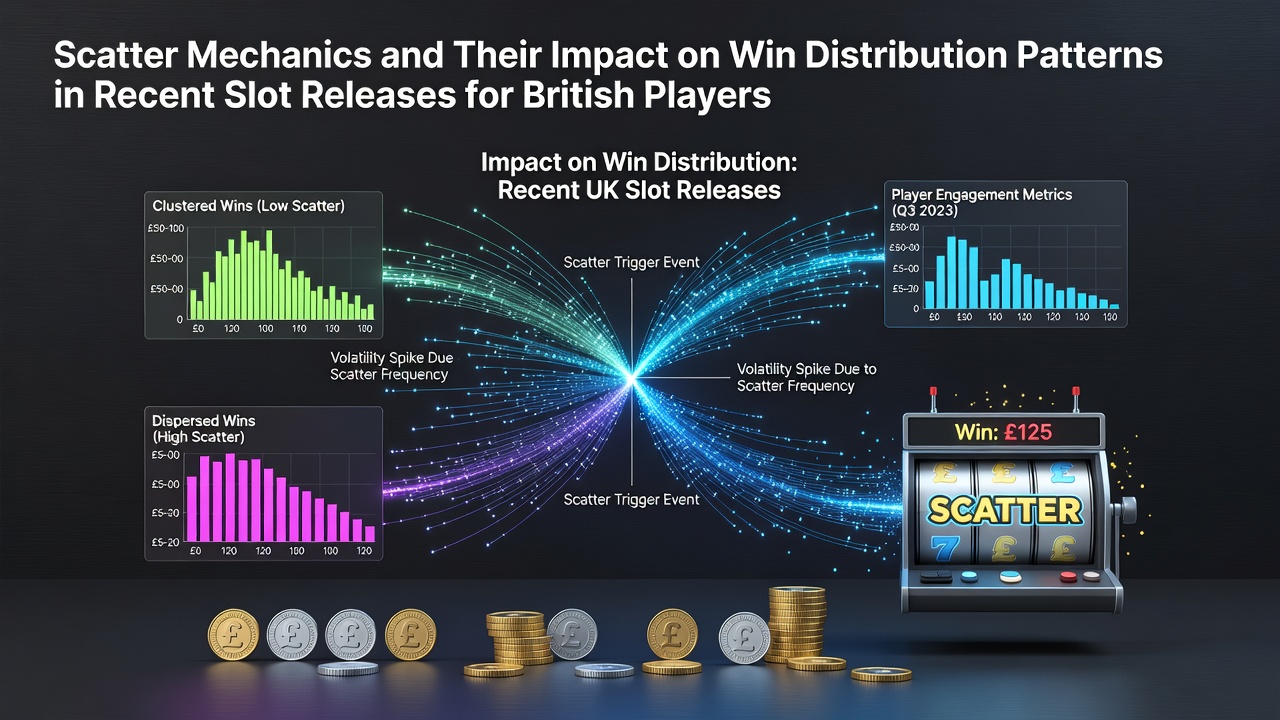
Scatter Features Driving Shifts in Payout Frequencies Across New Slot Titles for British Players
Scatter mechanics have evolved from simple bonus triggers into core elements that reshape how wins distribute across individual spins and extended sessions in contemporary slot releases. These symbols activate features without alignment on traditional paylines, which alters the probability curves that determine both base game returns and feature frequency for players in the British market.
Mechanics Behind Scatter Implementation
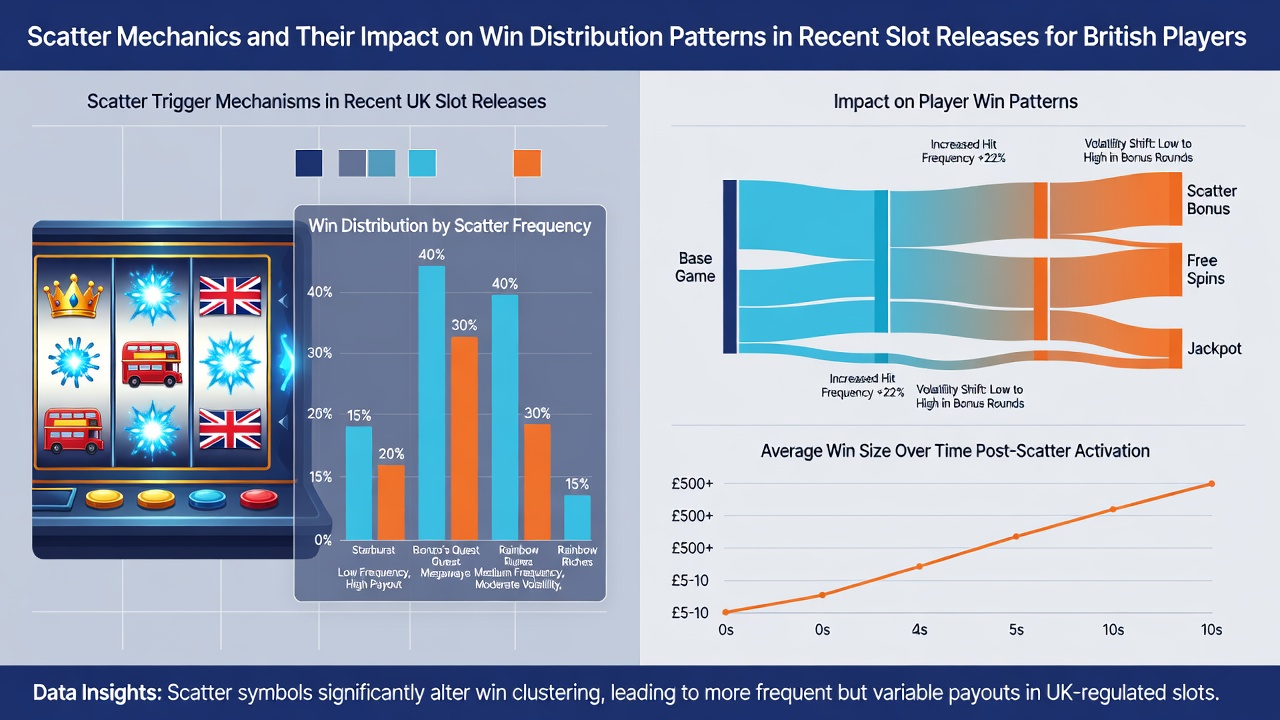
Modern designs position scatters to pay anywhere on the reels while they simultaneously launch free spin rounds or multiplier sequences, and this dual function compresses the distribution of smaller base game wins into more frequent but modest payouts during regular play. Data compiled by the International Gaming Institute at the University of Nevada shows that titles incorporating anywhere-pay scatters record a measurable increase in hit frequency within the 25 to 35 percent range compared with line-based predecessors, while the size of those individual awards tends to decrease because the feature diverts a portion of the overall return to bonus events.
Providers have layered additional modifiers onto scatters since early 2025, including progressive multipliers that build across consecutive spins and random reel expansions that occur when three or more symbols land. Such additions further spread the variance because the same trigger event can produce outcomes ranging from minimal free spin awards to sequences that multiply base bets several times over. British players encounter these systems in mobile-optimized releases where reel counts range from five to seven and symbol stacks increase the likelihood of multiple scatters appearing in a single spin cycle.
Observed Changes in Win Distribution Patterns
Analysis of release data from the first half of 2026 indicates that scatter-driven games produce a higher proportion of session-ending wins concentrated in bonus rounds rather than accumulated through steady base game hits. This concentration appears because the mathematical model allocates between 40 and 60 percent of total RTP to scatter-activated features, leaving the remaining return distributed across more frequent but lower-value line or cluster combinations during standard spins. Observers tracking play sessions note that the tail ends of the distribution curve extend farther, meaning occasional large bonus outcomes offset the increased number of near-miss spins that occur when two scatters land without the third.
July 2026 saw several providers introduce scatter mechanics that interact with tumbling or cascading reel systems, which compounds the effect on distribution by allowing a single trigger to generate multiple consecutive win evaluations. Each cascade recalculates symbol positions while preserving the active scatter count, and this creates chains where one initial feature entry yields several discrete payout events. Figures released by the Canadian Gaming Association research division reveal that such hybrid models shift approximately 15 percent more of the total return into extended sequences than static free spin rounds alone.
Regional Market Adaptations
Game developers adjust scatter frequency and feature depth when targeting British audiences because stake limits and session pacing preferences differ from those in other jurisdictions. Titles released for UK-facing sites often cap the maximum number of scatters that can appear per spin while increasing the base probability of landing the minimum trigger requirement, which produces a tighter band of win outcomes per 100 spins. This calibration maintains compliance with local technical standards while preserving the core appeal of scatter-triggered bonuses that players have come to expect in high-profile releases.
Independent testing labs that certify games for European markets document consistent patterns where scatter-heavy titles display lower standard deviation in short sessions yet higher deviation across full bankroll cycles. The pattern emerges because bonus rounds occur often enough to offset dry spells, yet the variable multipliers attached to those rounds create the potential for substantial swings once the feature begins. Australian regulatory reports on similar mechanics corroborate these findings, noting parallel shifts in player session length when scatter frequency rises above established thresholds.
Technical Integration With Other Features
Scatter systems now combine with cluster pays and pay-anywhere formats in several 2026 releases, which further fragments traditional win distribution. Instead of awarding fixed line values, the game evaluates every possible grouping that includes at least one scatter, and this multiplicative evaluation method increases the number of micro-wins recorded during both base and bonus play. Research papers published in the Journal of Gambling Studies describe how these overlapping evaluation methods reduce the occurrence of zero-win spins while redistributing the same overall RTP across more numerous smaller events and fewer medium-sized line hits.
Random number generator algorithms underlying these features maintain strict independence between spins, yet the visual presentation of accumulating scatter counts influences player perception of momentum. Developers program the reels so that the third or fourth scatter appears with increasing frequency toward the end of a spin animation, which creates anticipation without altering the underlying probabilities certified during testing.
Conclusion
Scatter mechanics continue to influence win distribution by moving a larger share of returns into triggered features while simultaneously raising the baseline hit rate during regular spins. Recent releases demonstrate measurable changes in payout frequency and variance that align with documented patterns across multiple regulatory testing environments. British players encounter these systems in titles that balance feature accessibility with controlled volatility through deliberate adjustments to trigger probabilities and multiplier structures. The ongoing integration of scatters with cascading and cluster systems suggests further refinement of distribution curves in upcoming game cycles.