Slot Software Providers Craft Playbooks to Harmonize Innovation and Regulatory Requirements
Morgan Zimmermann · Jun 19, 2026
Slot Software Providers Craft Playbooks to Harmonize Innovation and Regulatory Requirements
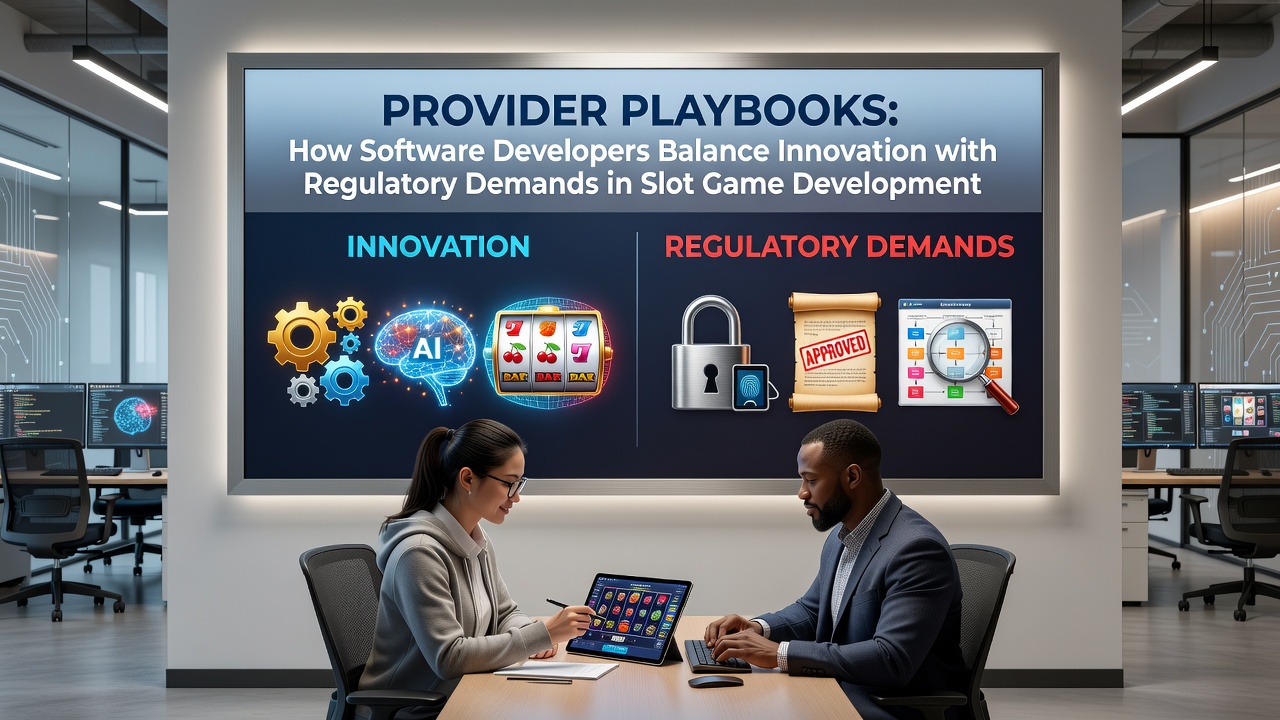
Software providers in the slot game sector develop detailed internal frameworks that guide feature creation while satisfying oversight from multiple jurisdictions. These frameworks address everything from random number generator certification to responsible gaming prompts that appear during extended play sessions. Data from industry reports shows providers allocate significant resources to pre-launch testing cycles that last several weeks and involve independent laboratories. Regulatory bodies across regions enforce standards on return-to-player percentages, maximum stake limits, and bonus structure transparency. In June 2026 certain Canadian provinces implemented updated age-verification protocols that require real-time checks before bonus rounds activate. Providers adjusted their codebases accordingly by integrating modular compliance layers that activate based on player location data.Core Elements of Provider Frameworks
Teams structure their approaches around documented procedures that cover game mathematics, user interface adjustments, and audit trail generation. These procedures ensure every new mechanic receives review for fairness metrics before submission to testing houses. Observers note that providers maintain separate documentation for each target market because rules differ substantially between North American states and European countries.
Collaboration with regulators forms another key component. Developers schedule regular briefings where they present proposed mechanics such as cluster pays or dynamic reel expansions. Feedback from these sessions leads to modifications that preserve intended player engagement while meeting required disclosure standards. Research from the American Gaming Association indicates that early engagement reduces certification timelines by up to thirty percent in many cases.
Regional Adaptations and Technical Adjustments
Providers track rule changes through dedicated compliance units that monitor updates from authorities including the Nevada Gaming Control Board and the Malta Gaming Authority. When new requirements emerge around feature disclosure or session time limits, engineering groups implement configurable toggles within the game engine. These toggles allow a single codebase to serve multiple territories without separate builds.
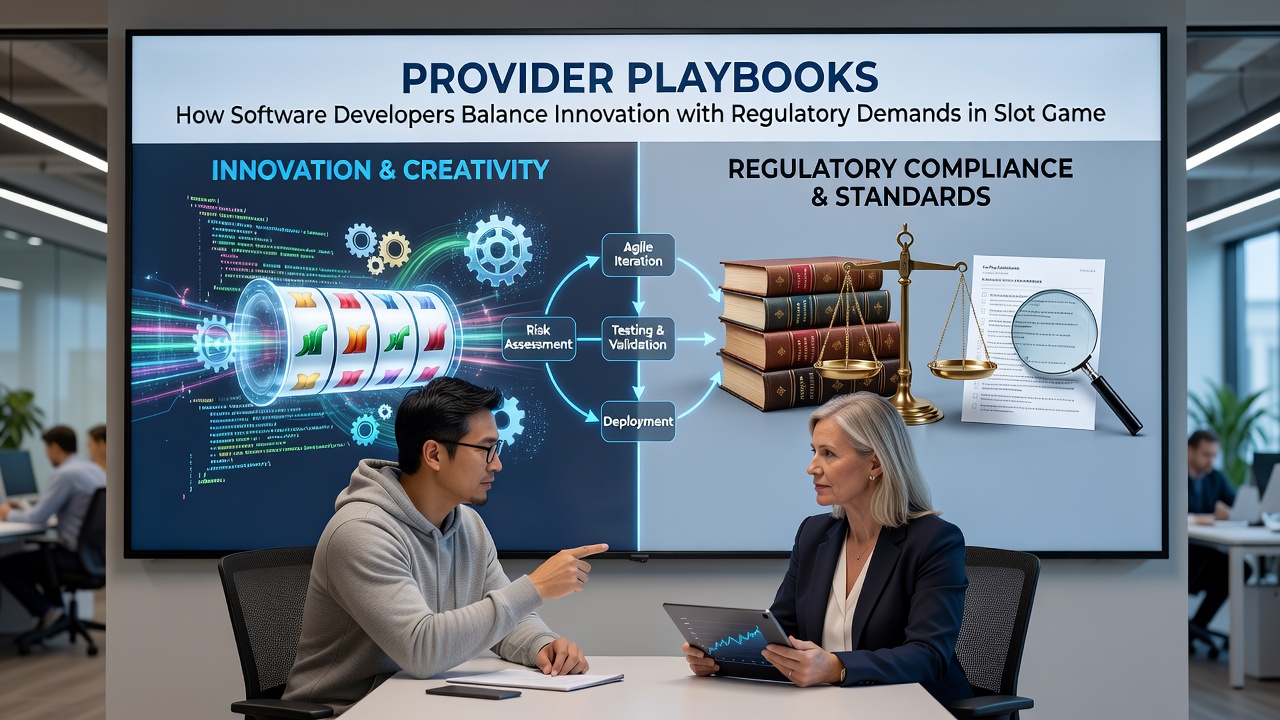
Technical teams also focus on audit logging that records every random outcome and player decision. Such logs support post-release investigations when required. Academic studies published through university gaming research centers demonstrate that robust logging correlates with faster resolution of compliance queries. Providers therefore embed these systems at the architecture level rather than adding them later.
Examples from Development Teams
One studio working on mobile-first titles introduced a staggered rollout process for new jackpot mechanics. The approach began with limited market releases followed by expanded distribution after initial performance data confirmed adherence to volatility guidelines. Another group developed internal dashboards that flag potential rule conflicts during the design phase itself. These dashboards pull from a central database of regulatory texts and highlight issues before code reaches the build stage.
Industry organizations such as the American Gaming Association publish annual summaries that track how providers adapt to shifting standards. Figures in those summaries reveal increasing investment in automated compliance checking tools. Similar patterns appear in reports from the European Gaming and Betting Association, which covers developments across multiple EU member states.
Future Considerations for Ongoing Balance
Emerging technologies like enhanced player tracking and artificial intelligence-assisted game balancing introduce fresh variables into the compliance equation. Providers update their playbooks to include evaluation criteria for these tools. They test whether new algorithms maintain required randomness standards and whether user interfaces present information clearly enough to satisfy disclosure rules.
Training programs for development staff emphasize both creative problem-solving and regulatory awareness. Sessions often include case reviews of past submissions that required revisions. This preparation helps teams anticipate questions from certification bodies and prepare supporting materials in advance.
Conclusion
Slot software providers maintain structured playbooks that integrate regulatory checkpoints throughout the development lifecycle. These frameworks evolve alongside rule changes from diverse authorities and incorporate technical solutions that support multi-jurisdiction releases. Evidence from regulatory filings and industry summaries shows continued refinement of these processes as new game features and oversight requirements appear. The approach allows continued introduction of player-facing innovations while satisfying documented standards across operating regions.