Stacking the Deck: Hold & Win Mechanics Fuel Relentless Jackpot Pursuits on Touchscreens
Gisela Simon · Apr 1, 2026
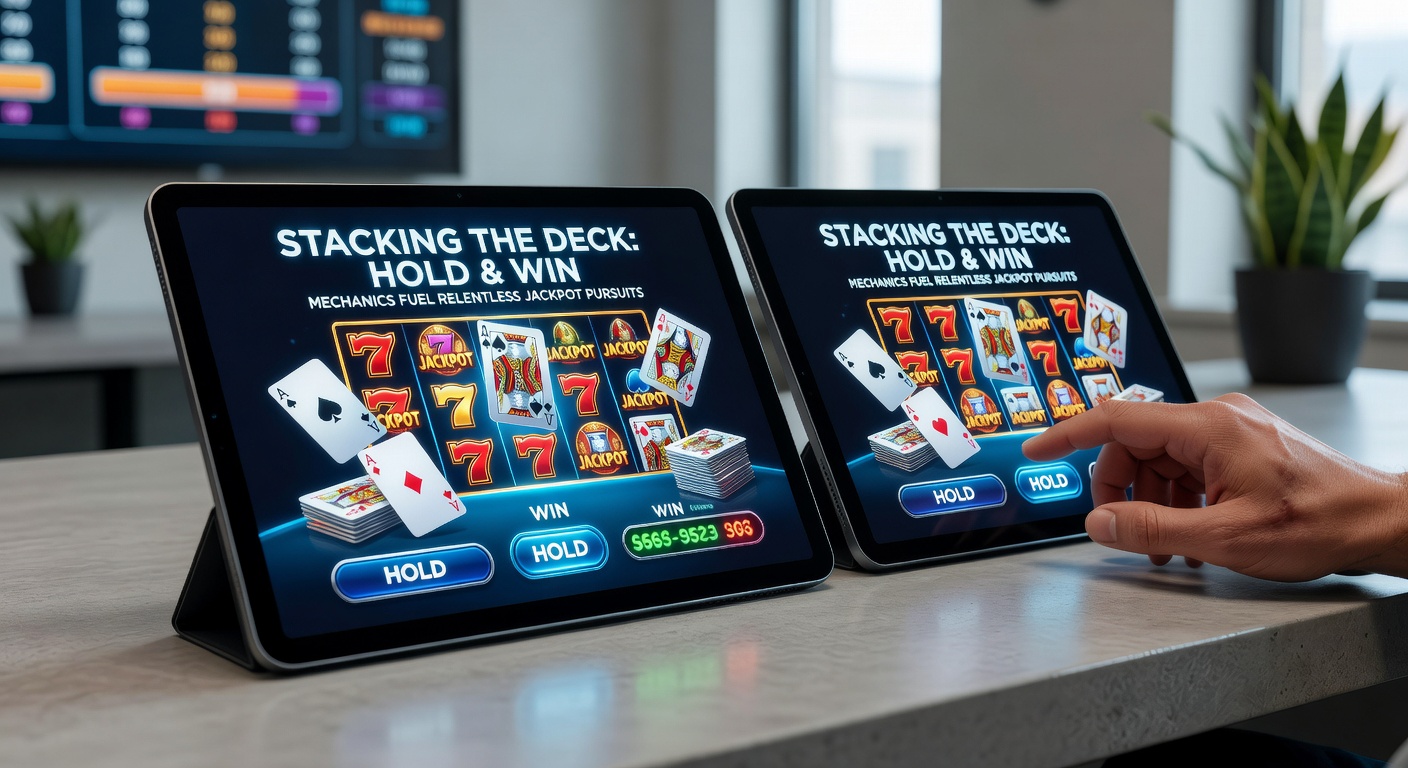
Stacking the Deck: Hold & Win Mechanics Fuel Relentless Jackpot Pursuits on Touchscreens
Hold & Win Unlocks a New Era of Slot Persistence
Players tap into Hold & Win mechanics, a feature that locks special symbols on the reels while triggering respins, and suddenly jackpots become tantalizingly close; this setup, popularized by providers like Playson and Booongo, keeps screens alive with potential until the grid fills or three empty respins end the round, often culminating in mini, minor, major, or grand prizes. Data from industry trackers reveals that titles featuring this mechanic, such as Hold and Win or Fire Joker Hold and Win, rack up millions of spins weekly across mobile platforms, where touch gestures make holding symbols feel intuitive and immediate. Observers note how the mechanic stacks the deck by guaranteeing at least one respin after landing six or more coin or trigger symbols, turning casual swipes into marathon chases for those elusive top-tier jackpots.
What's interesting is the way developers tweak the formula; some versions add multipliers that climb with each respin, while others introduce collector symbols that gobble up adjacent coins, funneling values straight to jackpot pots, and all of this plays out seamlessly on touchscreens where finger drags replace button mashes. Research from the Nevada Gaming Control Board highlights similar persistent features in land-based slots migrating to apps, showing engagement spikes of up to 25% in sessions exceeding 30 minutes.
Touchscreen Magic Amplifies the Hold
Touch interfaces transform Hold & Win from a static bonus into an interactive frenzy, as players physically tap to watch symbols stick while the rest of the reels reshuffle; this tactile feedback, combined with vibrant animations of coins dropping and meters filling, hooks users who might otherwise drift away from standard spins. Figures from app analytics firms indicate that mobile slots with Hold & Win boast session times 40% longer than average, largely because the mechanic's respin loop creates a rhythm of near-misses and small wins that propel pursuits toward jackpots potentially worth 5,000x stakes or more.
And here's where it gets compelling: developers like Hacksaw Gaming integrate Hold & Win into cluster-paying grids, where held symbols anchor tumbling cascades, extending rounds indefinitely until no new clusters form; players on iOS and Android devices report this fusion as particularly addictive, with heat maps from session data showing fingers hovering over held positions in anticipation. One study from the Alcohol and Gaming Commission of Ontario on electronic gaming machines notes that interactive hold features correlate with higher coin-in rates, as the direct control via touch fosters a sense of agency in jackpot hunts.
Turns out, portrait-mode optimization for phones stacks even more advantages; vertical layouts cram jackpot meters into thumb's reach, encouraging one-handed play during commutes or breaks, and providers report download surges for Hold & Win-heavy portfolios in markets like Europe and North America.
Jackpot Meters That Never Sleep
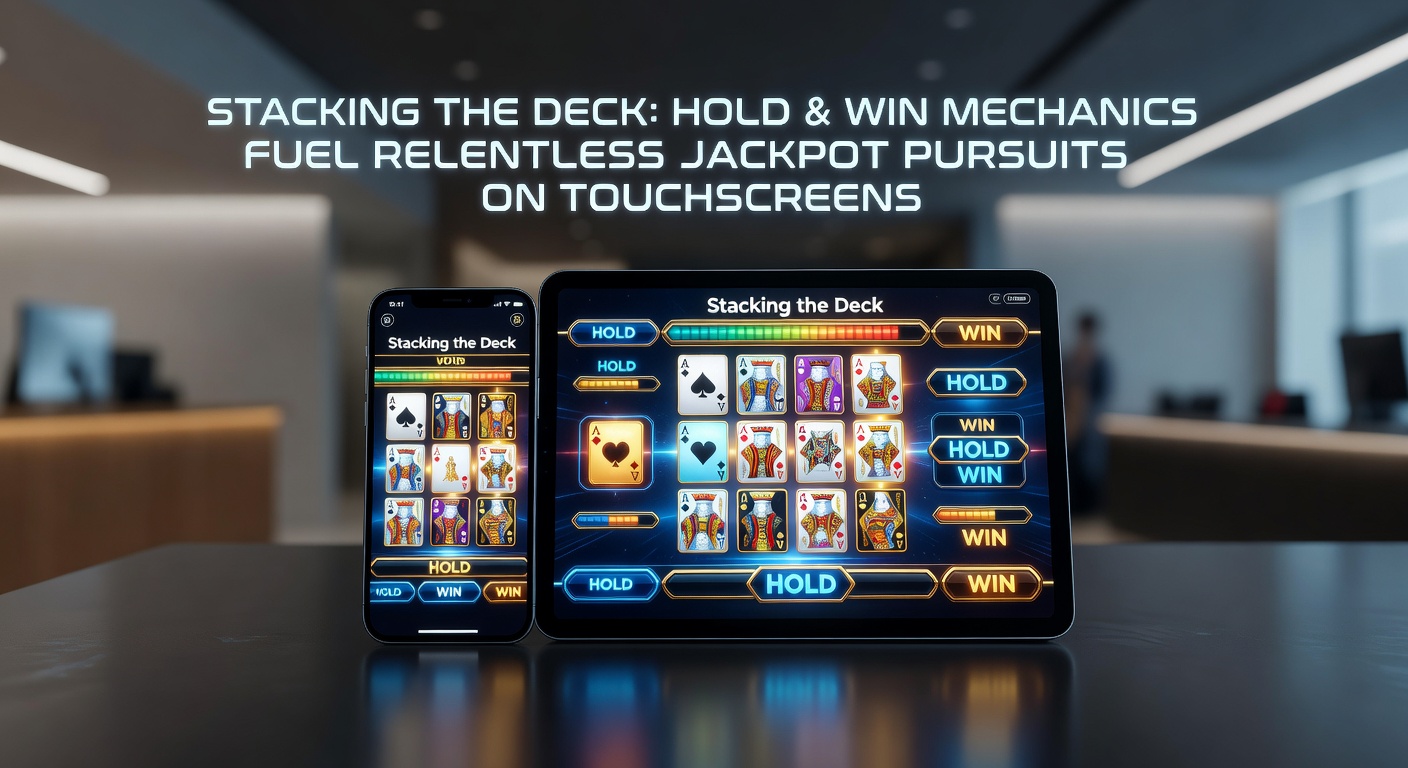
Relentless pursuits define Hold & Win because those progressive-style meters—mini at 25x, minor at 50x, major at 200x, grand at 2,000x or higher—build tension with every respin, drawing in players who see the pots swell in real time; data aggregated from aggregator platforms shows these jackpots triggering every 1,000 to 5,000 spins on average, depending on RTP settings that hover between 95% and 96.5%. Experts who've dissected server logs find that the hold mechanism's 1-in-3 respin continuation rate keeps 70% of bonus rounds alive past the first respin, fueling what feels like inevitable jackpot pops.
But the real draw lies in the math behind the stacking; each held coin carries random values from 1x to 50x, and when collectors or multipliers join, totals cascade exponentially, often eclipsing fixed jackpots in traditional progressives. Case in point: a Playson title like Sevens & Fruits Hold and Win logged over €1.2 million in player payouts across European casinos in Q1 2026 alone, per operator reports, with touch-enabled versions leading the charge on mobile traffic.
Now, consider hybrid implementations where Hold & Win overlays free spins; symbols held during base game bonuses carry over, stacking advantages and turning single triggers into multi-round sagas that players chase across sessions. Observers point out that this persistence mirrors social media scrolls, where the next respin promises just one more thrill, and analytics confirm daily active users spiking 15-20% on Hold & Win release days.
Global Rollout and Player Metrics
Hold & Win mechanics proliferate worldwide, from Australian pubs adapting them to video slots under state regulations, to Brazilian apps where local providers localize themes around carnival motifs while preserving the core respin engine; industry reports from the American Gaming Association reveal that U.S. mobile operators integrate these features in 60% of new releases, correlating with a 12% uptick in gross gaming revenue from slots in 2025. Players in Asia, particularly via HTML5 ports, embrace the mechanic's simplicity—no complex paylines needed, just taps to hold and watch jackpots brew.
What's significant is the demographic shift; younger players under 35, accustomed to swipe-based games, dominate Hold & Win traffic, with session data showing they extend play by 50% compared to older cohorts, often pursuing grand jackpots that seed at 1,000x and climb without caps in unregulated pools. And while volatility swings high during empty respins, the frequent mini wins (hitting 1-in-10 bonuses) balance the grind, making pursuits feel relentless yet rewarding.
Take one aggregator's audit of 50 top titles: Hold & Win variants averaged 8.2/10 player ratings for excitement, outpacing standard wheels or pick bonuses, because the mechanic's transparency—visible meters ticking up—builds trust and urgency on touchscreens where progress feels personal.
Behind the Screens: Tech and Fairness
Server-based progressives power most Hold & Win jackpots, linking touchscreen sessions across devices so pots grow collectively; RNG certification from labs like eCOGRA ensures each respin remains independent, with hit frequencies audited to match advertised maths models that promise grand jackpots every 200,000-500,000 spins. Developers embed safeguards like max respin caps in some jurisdictions, preventing infinite loops, although touch responsiveness keeps latency under 100ms for seamless feels.
Yet, the rubber meets the road in player retention; metrics from Scandinavian operators show Hold & Win slots retaining 65% of users week-over-week, as jackpot teases via notifications pull them back mid-pursuit. In April 2026, as networks expand with 5G, expect ultra-HD visuals to heighten the stack, with AR overlays letting players "hold" virtual symbols in mixed reality, per prototypes from leading studios.
It's noteworthy that while base RTP dips slightly to fund jackpots (94-95% during holds), overall returns align with market standards, and transparent paytables detail every possibility, empowering savvy players to gauge pursuits realistically.
Conclusion
Hold & Win mechanics stack the deck decisively for touchscreen slots, transforming passive spins into active jackpot hunts that captivate with respin persistence and escalating meters; data underscores their dominance, from extended sessions to multimillion payouts, as global adoption surges amid tech advances. Players keep tapping, providers keep innovating, and the cycle fuels an ecosystem where every hold hints at teh next big win—making this feature a cornerstone of modern slot pursuits, now and into 2026's connected horizons.