Symbol Blending Algorithms Powering Modern Mobile Reel Environments
Gisela Simon · Aug 21, 2026

Symbol Blending Algorithms Powering Modern Mobile Reel Environments
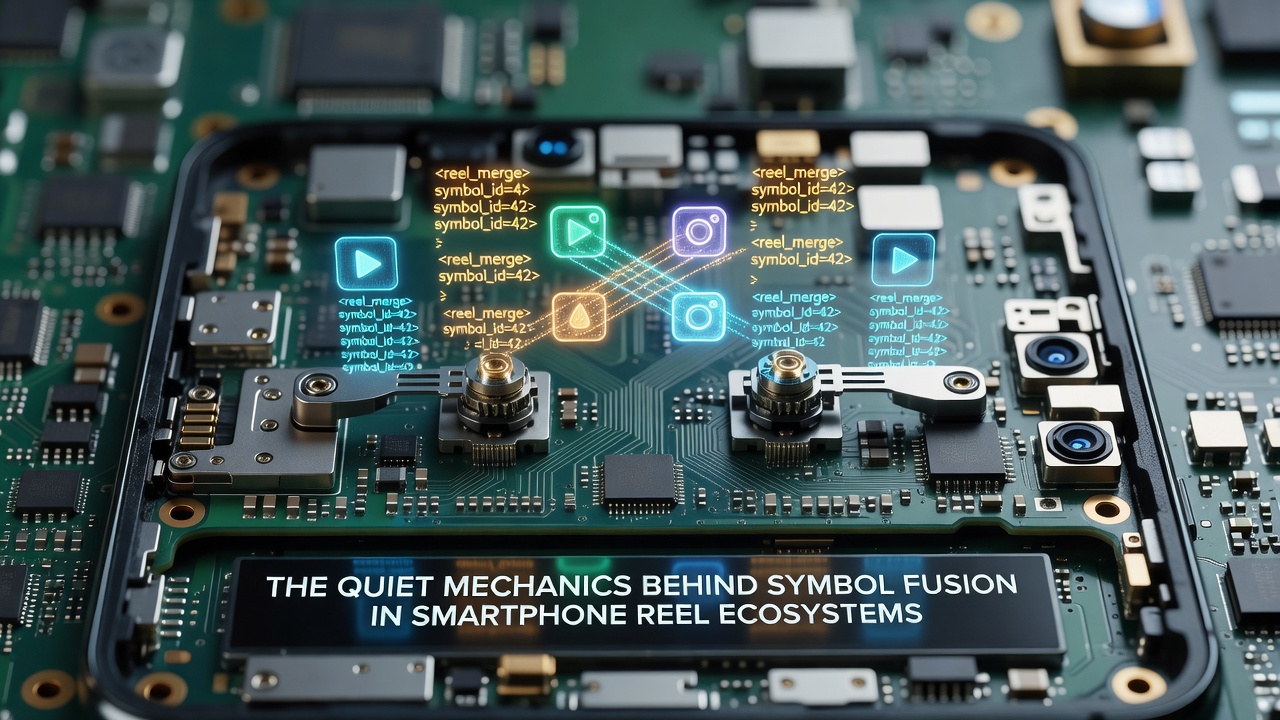
Symbol fusion in smartphone reel ecosystems operates through layered software processes that combine adjacent icons into unified winning elements, and developers build these systems on top of HTML5 frameworks that handle real-time rendering across varied device processors. Data from mobile gaming reports shows that fusion events trigger when specific symbol patterns align on virtual reels, which then merge via predefined rulesets stored in game engines. Observers note that these mechanics reduce the number of individual payline calculations while increasing visual feedback loops that keep sessions moving forward at consistent frame rates.
Core Processing Layers Behind Fusion Events
Each reel spin begins with a random number generator feeding outcomes into a symbol mapping table, and from there the engine scans for fusion candidates using adjacency algorithms that check horizontal and vertical neighbors within milliseconds. When matches occur the system applies transformation scripts that animate the merge, often replacing multiple icons with a single upgraded symbol that carries a multiplier value. Research from software engineering groups indicates that these steps rely on optimized shader code running on GPU cores inside modern smartphones, which allows complex animations to execute without draining battery reserves too quickly.
Device sensors sometimes feed additional variables into the process, although the primary logic remains server-side to maintain fairness standards across regions. Engineers coordinate these elements so that fusion sequences complete before the next spin request arrives, and this timing precision matters because any delay can break the perceived seamlessness of mobile play. Figures from industry benchmarks reveal that top-performing titles keep total fusion processing under 120 milliseconds on average mid-range hardware.
Network and Storage Considerations in Reel Ecosystems
Cloud-based asset delivery handles the graphical components of fused symbols, while local caching stores common combinations to cut down on data usage during extended sessions. Developers integrate compression techniques that shrink animation files without losing clarity on high-resolution displays, and this balance supports both urban 5G connections and areas with intermittent coverage. A study published by the Technical University of Denmark examined similar rendering pipelines and found that optimized caching reduced load times by up to 35 percent across tested Android and iOS devices.
Security protocols wrap these data exchanges to prevent tampering with outcome tables, and regulators in multiple jurisdictions require regular audits of the random number generators that feed into fusion logic. In August 2026 several European platforms rolled out updated compliance modules that log each fusion event for traceability, yet these additions introduced only minimal overhead to the core reel cycle. Those who monitor performance metrics report that the added logging functions integrate smoothly when coded with efficient database calls.
Cross-Platform Consistency and Future Adjustments
Engineers maintain parity between iOS and Android versions by using shared codebases that abstract away hardware differences, and this approach lets the same fusion rules apply regardless of operating system version. When new devices enter the market the development teams run regression tests that verify symbol merge animations stay within acceptable latency thresholds. Data collected by the Interactive Games Association shows steady improvement in cross-device stability over the past three years, with fewer reported visual glitches during high-volume fusion sequences.
Updates scheduled for late 2026 aim to incorporate machine learning models that predict likely fusion paths based on player behavior patterns, although these models will still defer final outcome decisions to certified random generators. Observers tracking adoption rates note that early test versions already demonstrate smoother reel transitions on flagship handsets while preserving identical results on older models through fallback rendering paths.
Conclusion
Symbol fusion systems in smartphone reel ecosystems continue to evolve through incremental refinements in code architecture, animation pipelines, and compliance frameworks. These quiet mechanics support the visual and mathematical core of mobile reel games while meeting technical and regulatory demands across global markets. Continued monitoring by engineering teams and independent auditors ensures that fusion processes remain reliable as hardware and network conditions shift in the coming years.