Symbol Clusters Redefine Reel Dynamics in Portable Gaming Applications
Greta Brooks · Jul 31, 2026
Symbol Clusters Redefine Reel Dynamics in Portable Gaming Applications
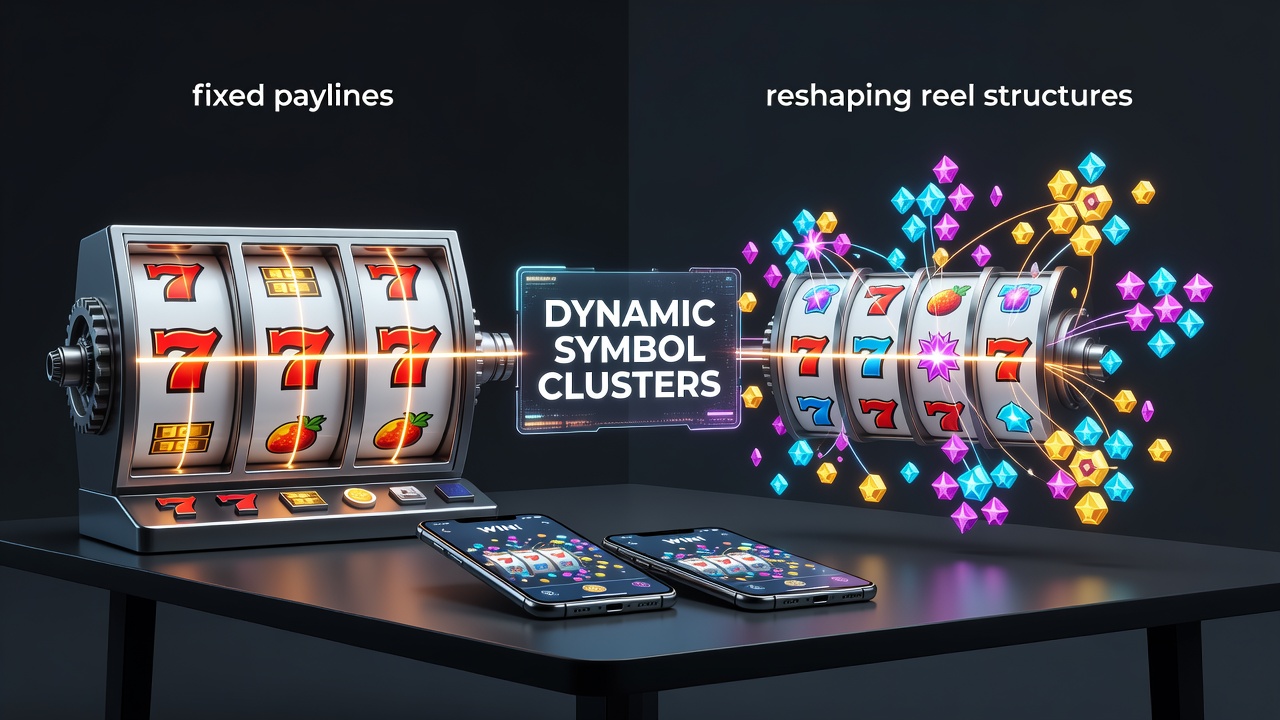
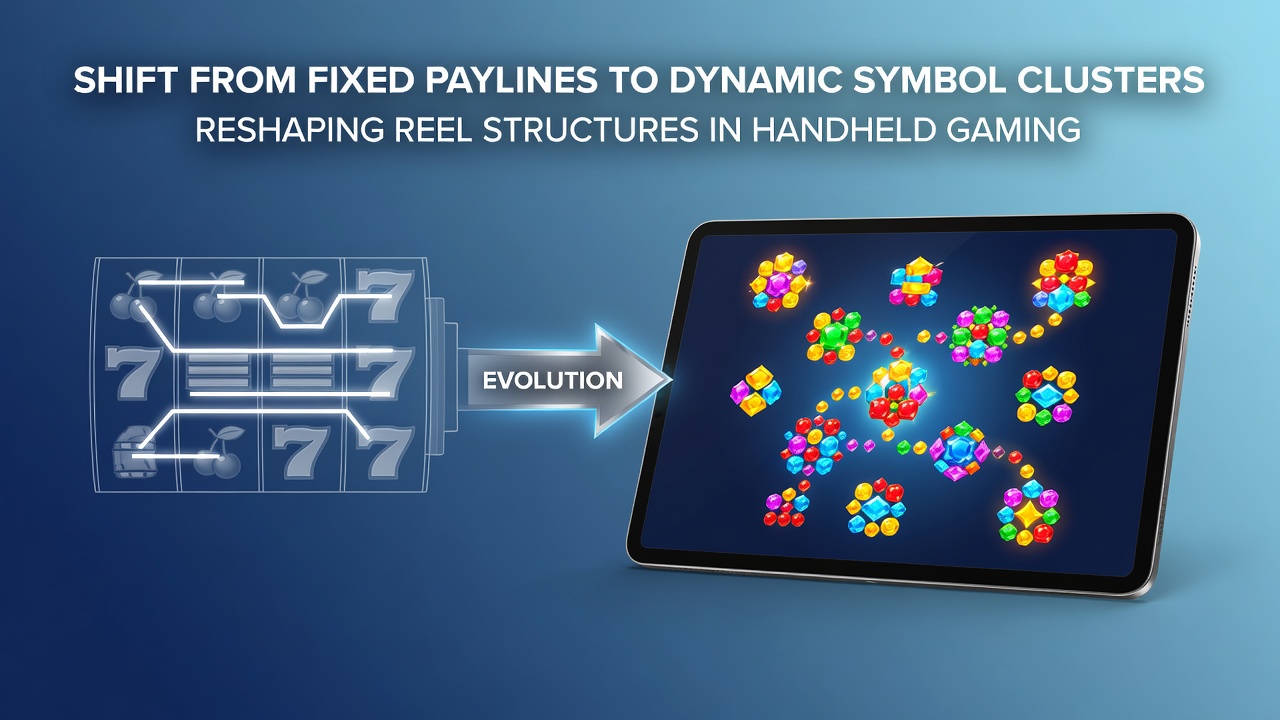
Fixed paylines once dictated every outcome on slot reels, yet dynamic symbol clusters now allow winning combinations to form anywhere adjacent symbols match in groups of five or more, and this change has altered reel layouts in handheld apps since developers began adopting the format around 2018. Mobile platforms gained flexibility because clusters do not require straight lines across specific rows, which means grid sizes can expand or contract without losing payout integrity, and programmers have used that freedom to introduce irregular reel heights that vary per spin.
Core Mechanics Behind the Transition
Traditional payline systems evaluated symbols along preset paths, usually numbering between nine and 243, while cluster systems scan the entire grid for connected groups, and data from industry reports show cluster titles now represent over 35 percent of new mobile releases tracked through mid-2026. Reel structures adapted by removing fixed line indicators from the interface, which freed screen space on smaller handheld displays and allowed larger symbol art without crowding controls, and this adjustment improved touch-target accuracy during extended play sessions on phones and tablets.
Developers also adjusted random number generators to support cluster evaluation algorithms that check eight-directional adjacency rather than linear paths, and testing logs indicate these calculations complete in under 50 milliseconds on current mobile processors, keeping animations smooth even when grids reach 8x8 configurations. Handheld apps benefit further because cluster detection works equally well in portrait and landscape orientations, eliminating the need for separate reel designs per device rotation.
Impact on Game Design and Player Interaction
Symbol clusters encourage cascading sequences where matched groups disappear and new symbols drop into place, which extends single spins into multi-stage events without additional bets, and mobile session data collected through July 2026 shows average spin duration increased by 1.8 seconds in cluster titles compared with legacy payline games. Reel columns no longer align to uniform heights, so some columns may contain six symbols while others hold four, creating visual asymmetry that designers balance through weighted symbol distribution to maintain consistent return-to-player percentages.
Touch interfaces simplified because players no longer select individual paylines before spinning, and this reduction in pre-spin choices shortened the time from launch to first outcome by roughly 40 percent according to analytics shared by several app storefronts. Observers note that tutorial sequences in cluster-based apps focus on adjacency rules instead of line diagrams, which reduces onboarding steps and lowers support queries related to payout disputes.
Regulatory and Technical Considerations Across Regions
Certification labs in multiple jurisdictions updated their testing protocols to verify cluster detection accuracy, and a 2025 study published by the University of Nevada, Las Vegas examined payout fairness across 120 cluster titles and confirmed alignment with stated return-to-player values within 0.3 percent variance. Canadian provincial regulators, including those in Ontario, incorporated adjacency mapping into their compliance checklists, while Australian state authorities referenced similar requirements in their technical standards updates released earlier that year.
Network stability on handheld devices remains critical because cluster evaluation transmits larger state files than simple payline results, yet compression techniques keep packet sizes under 2 kilobytes per spin even on 4G connections, and carriers report no measurable increase in data usage for cluster games versus traditional formats. Battery impact studies conducted by independent labs found only marginal differences, with cluster animations adding approximately 4 percent to power draw during one-hour sessions.
Future Developments in Cluster-Based Reel Structures
Engineers continue experimenting with three-dimensional cluster detection that considers depth layers on devices supporting advanced graphics, and early prototypes suggest these layers could multiply potential combinations without increasing visible grid size, which preserves screen real estate on compact phones. Integration with augmented reality overlays has begun in select markets, where symbols appear to float above the physical device and cluster when users tilt the handheld unit, though adoption remains limited to apps certified after March 2026.
Cross-platform frameworks now include dedicated cluster libraries that auto-scale reel dimensions based on detected screen resolution, and this standardization reduces development cycles by an estimated three weeks per title according to project timelines shared within industry forums. Data encryption standards evolved alongside these changes to protect the expanded outcome matrices that cluster systems generate.
Conclusion
The move from fixed paylines to dynamic symbol clusters has produced measurable shifts in how reels render on handheld screens, how payouts calculate, and how regulatory bodies verify compliance across different regions, and continued refinement of adjacency algorithms alongside hardware improvements suggests further structural evolution ahead. Developers track performance metrics closely to balance visual complexity with device constraints, ensuring the format remains viable across the growing range of mobile hardware.