Symbol Dynamics Across Slot Provider Portfolios: Impacts on Mobile Session Flows
Yves Keller · Jun 9, 2026
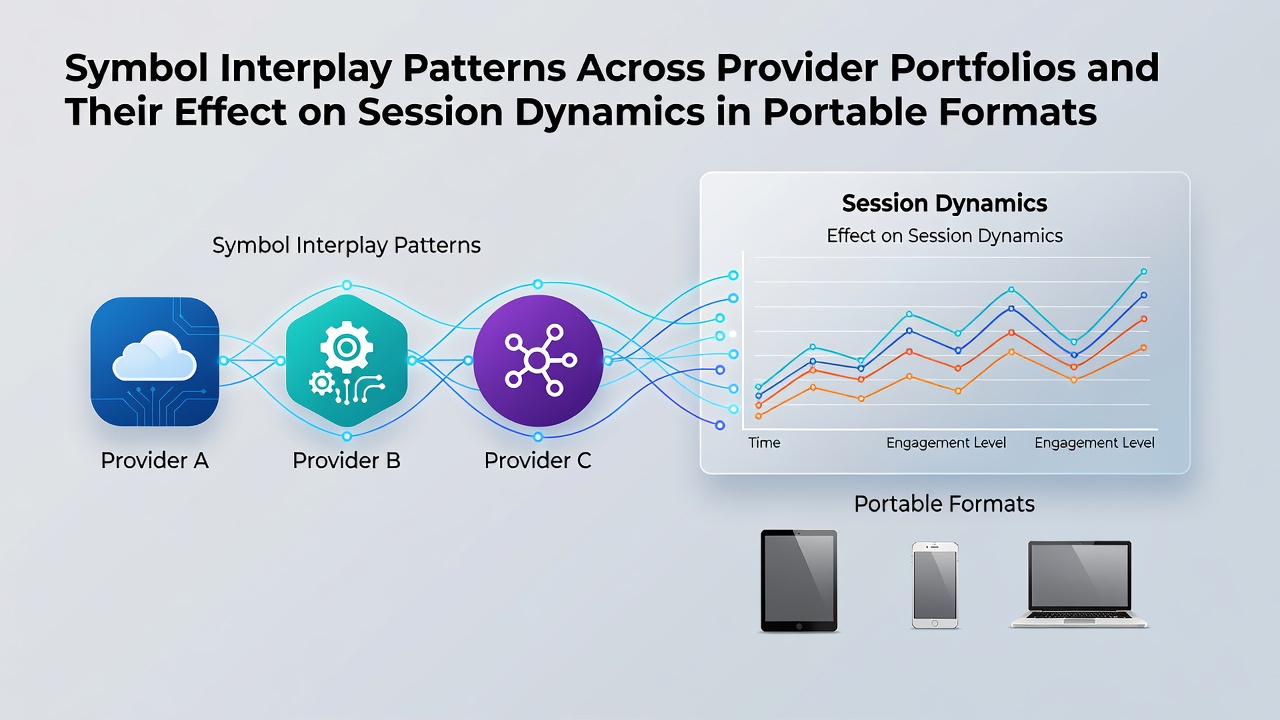
Symbol Dynamics Across Slot Provider Portfolios: Impacts on Mobile Session Flows
Symbol interactions form the core mechanics that define how sessions unfold across different developer libraries in portable formats, where touch interfaces and shorter play windows shape player engagement patterns. Data from multiple gaming technology assessments shows that providers structure their symbol sets with varying degrees of interdependence, creating distinct rhythms in reel spins and outcome sequences on mobile devices.
Core Patterns in Symbol Interplay
Providers integrate wild symbols, scatters and modifiers in combinations that produce measurable differences in session length and payout frequency. One common structure involves expanding wilds that interact with adjacent reels to extend winning lines, while another relies on cluster formations that replace traditional paylines entirely. These approaches appear across portfolios where developers balance volatility levels with mobile constraints such as smaller screens and variable network conditions.
Research from gaming laboratories indicates that when symbols carry dual functions, such as acting as both triggers and multipliers, session dynamics shift toward longer retention periods on portable devices. Observers note that this layering occurs more frequently in libraries from established European studios compared with newer entrants focused on rapid spin cycles. The result shows up in aggregated play data where mobile sessions average higher numbers of consecutive spins before natural breaks occur.
Portfolio Variations Across Developers
Different companies maintain distinct philosophies when building symbol ecosystems for their slot ranges. Some emphasize sequential cascades where each resolved symbol group feeds directly into the next reel evaluation, creating chain reactions that keep screens active. Others incorporate position-based triggers that activate only under specific reel alignments, which alters the pace of mobile play by introducing more frequent near-miss moments.
Studies compiled by the International Gaming Institute highlight how these portfolio choices influence cross-device consistency. When a provider maintains uniform symbol behavior across desktop and portable versions, users experience fewer disruptions during transitions between play environments. Figures reveal that libraries with standardized interplay rules report steadier engagement metrics in June 2026 updates, particularly as portable hardware improved touch responsiveness for complex symbol animations.
Mobile-Specific Session Effects
Portable formats introduce constraints that amplify or dampen symbol interactions depending on implementation. Limited screen real estate requires tighter symbol spacing, which can increase the visibility of emerging patterns during spins. Providers that account for this through scaled animation timing maintain smoother session flows, whereas those that retain desktop-heavy designs often see higher abandonment rates mid-session according to device usage reports.
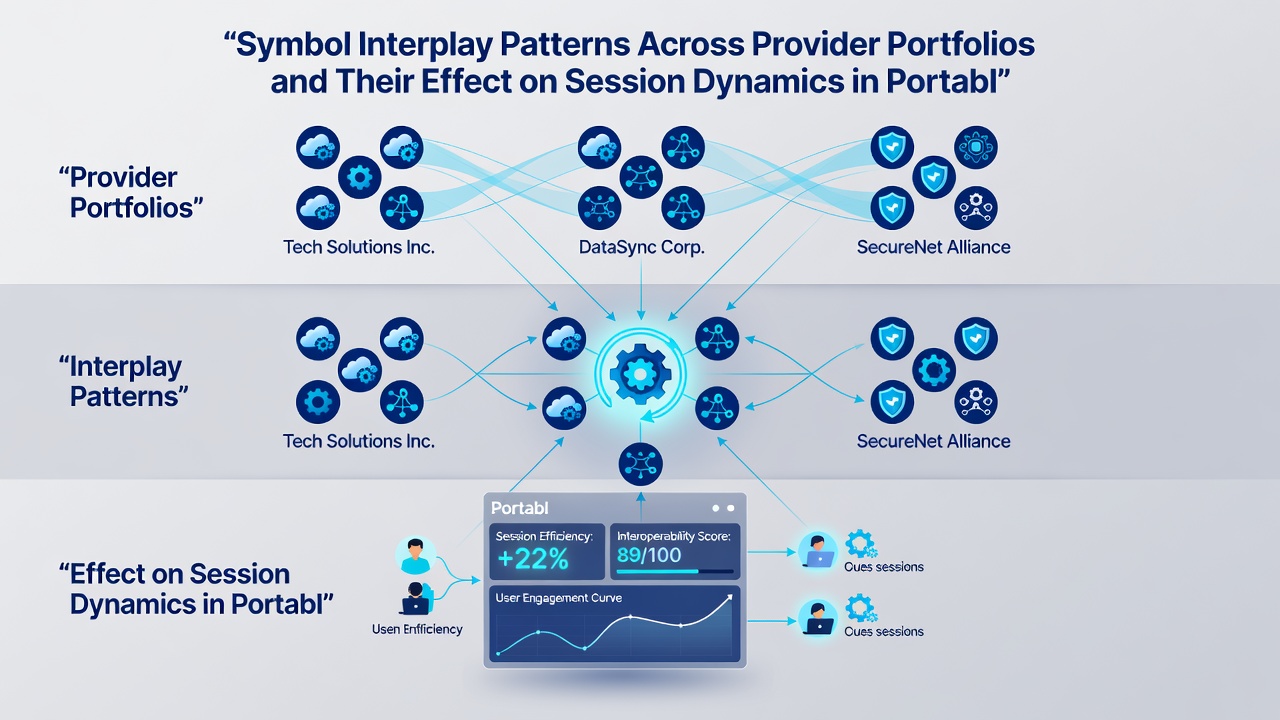
Touch gestures further modify how players perceive and respond to symbol outcomes. Quick taps that accelerate reels interact with autoplay features in ways that change the frequency of bonus triggers compared with traditional button inputs. Data collected through platform analytics shows that sessions on tablets versus smartphones exhibit different average durations when symbol clusters require precise screen positioning to register fully.
Providers have adjusted their libraries in response, introducing hybrid symbol sets that scale visual complexity based on detected device type. This adaptation appears in multiple portfolios where scatter symbols carry additional mobile-only modifiers, such as swipe-activated expansions that extend play without increasing data load.
Cross-Provider Comparisons in Portable Contexts
Comparative analyses from industry reports, including those published by the Australian Gambling Research Centre, demonstrate measurable differences in how symbol systems perform under mobile constraints. Libraries that prioritize modular symbol functions tend to generate more consistent session lengths across varying connection qualities, while rigid sequential systems show greater variance when network latency interrupts animation sequences.
Another source, the Gaming Laboratories International technical reviews, documents how symbol density affects battery consumption and frame rates on portable hardware. These technical factors feed back into session dynamics because users adjust play habits based on device performance, often shortening sessions when symbol animations cause noticeable slowdowns.
Patterns emerge when examining entire provider ranges rather than isolated titles. Developers that reuse core symbol interaction templates across multiple games create familiarity that supports longer aggregate play times in mobile environments, whereas those introducing frequent mechanical shifts require users to relearn interaction cues with each new release.
Conclusion
Symbol interplay patterns across provider portfolios directly influence session dynamics in portable formats through their effects on pacing, visual clarity and device compatibility. Data continues to track these relationships as mobile technology evolves, revealing consistent correlations between specific symbol structures and measurable play behaviors on handheld devices.