Symbol Interaction Networks Drive Fresh Approaches in Slot Design
Kai Richter · Aug 7, 2026
Symbol Interaction Networks Drive Fresh Approaches in Slot Design
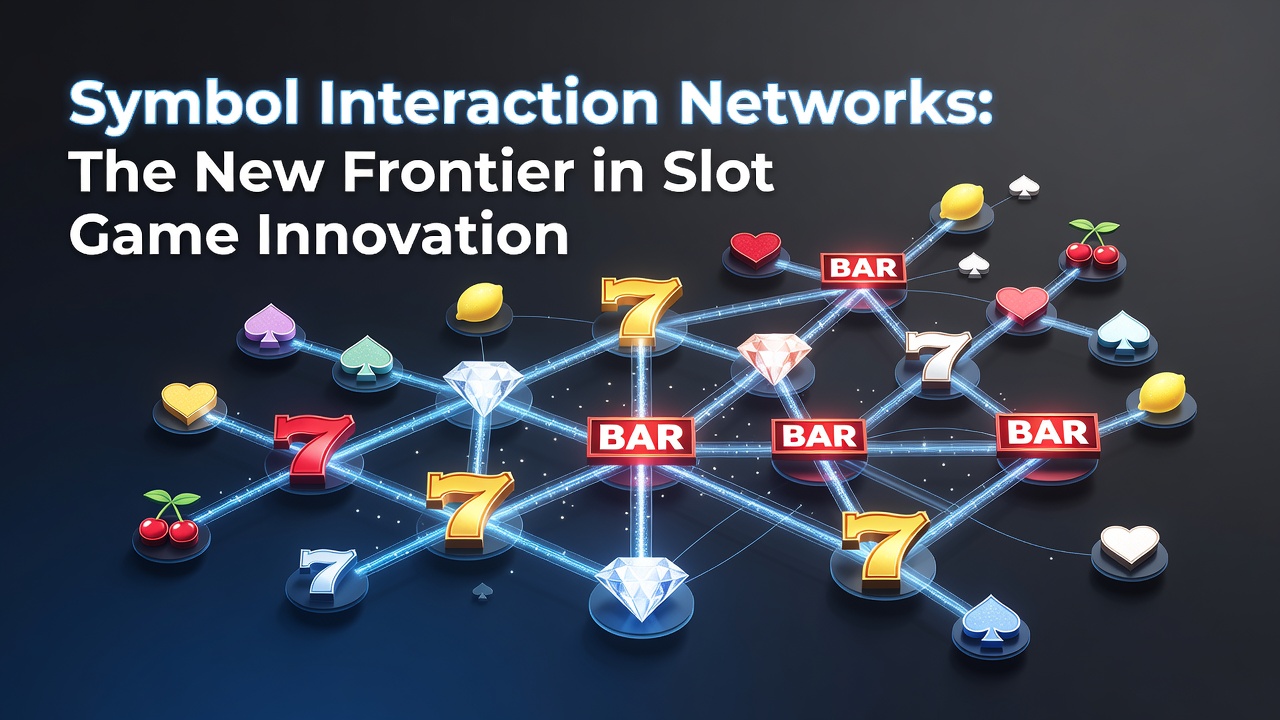
Symbol interaction networks represent a technical shift in how slot mechanics operate, moving beyond fixed paylines and cluster systems toward interconnected symbol relationships that respond in real time. Developers have built these networks so symbols exchange data based on adjacency, type, and sequence, which then triggers variable outcomes during spins. Industry reports from 2025 show early adoption in titles released across North American and European markets, with further updates appearing through summer 2026.
Core Mechanics Behind the Networks
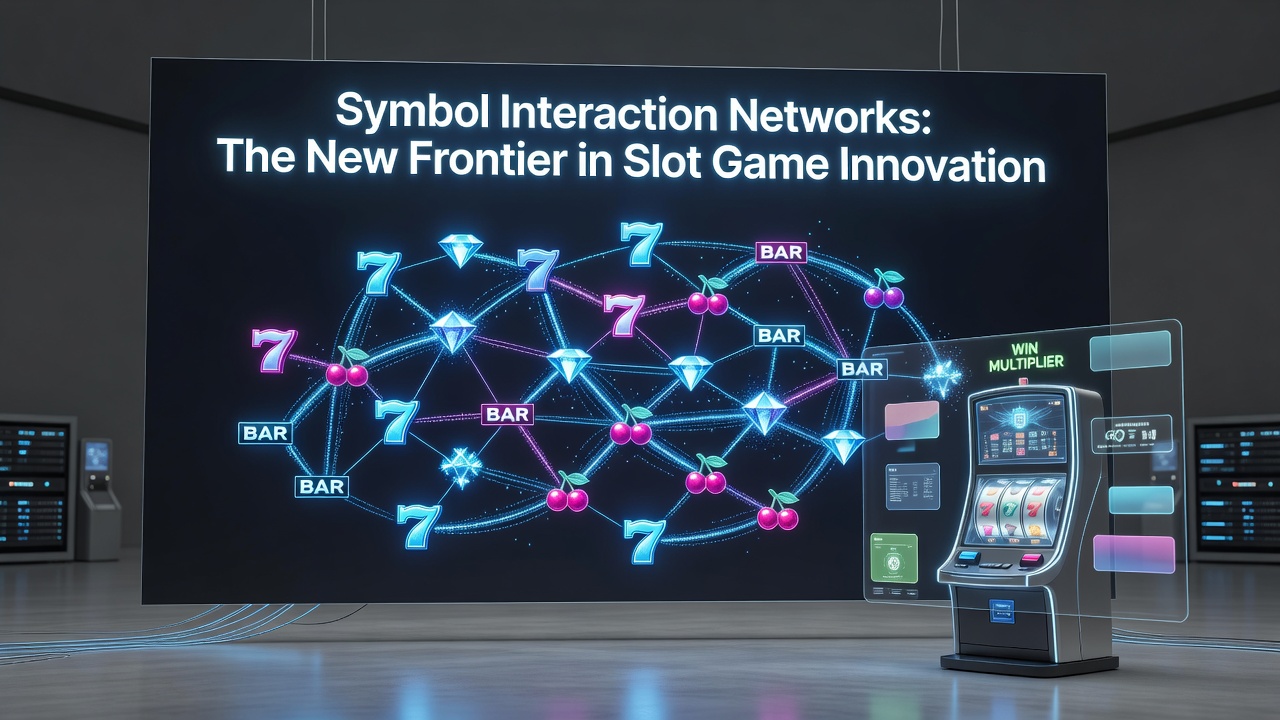
Each network assigns values and rules to individual symbols, allowing them to influence neighboring elements when certain thresholds are met. A single wild might alter the payout multiplier of an adjacent high-value icon, while scatters can propagate effects across linked positions rather than requiring exact counts. This structure relies on graph-based algorithms that map symbol positions as nodes, then calculate interactions along edges during each reel stop. Data from provider white papers indicates average session lengths increased by 12 percent in test environments using these systems compared with standard cluster games.
Implementation Patterns Observed in 2026 Releases
By August 2026 several mid-sized studios had integrated interaction layers into mobile-first releases, often combining them with existing tumble or expand features. One pattern places a central hub symbol that redistributes values to connected icons when a threshold meter fills. Another routes interactions through color-coded paths that shift after every cascade. Observers at trade events noted that operators running these titles reported higher engagement metrics on tablets, where touch interfaces allow players to preview potential network paths before confirming spins.
Regulatory and Technical Considerations
Testing laboratories have updated certification protocols to verify that network calculations remain deterministic and auditable. The Nevada Gaming Control Board published updated technical standards in early 2026 requiring full disclosure of interaction graphs for any game using dynamic symbol links. Similar frameworks appear in Canadian provincial guidelines, where operators must demonstrate that network outcomes stay within documented return-to-player ranges. Compliance teams now include graph-theory specialists who review edge cases involving simultaneous multi-symbol activations.
Player Interface Adjustments
Design teams have introduced visual cues that highlight active connections without overwhelming the screen. Subtle particle effects trace edges between symbols when an interaction triggers, while numeric pop-ups display incremental changes to multipliers or credit awards. Research from the University of Nevada, Las Vegas gaming laboratory found that players adapted to these indicators within three to four spins on average, with minimal increase in help-screen access. Interface updates also include optional network maps accessible via a side panel on desktop versions.
Market Data and Adoption Trends
Figures released by the Canadian Gaming Association in mid-2026 placed network-enabled titles at 8 percent of new game submissions for the first half of the year. Revenue share from these games grew steadily on operator dashboards, particularly in jurisdictions allowing higher stake limits. Cross-border comparisons show Australian markets incorporating similar mechanics at a slower pace, with focus groups citing preference for established cluster formats. Providers continue to refine network density settings to balance visual clarity against computational load on older mobile devices.
Future Development Directions
Engineers are exploring multi-layer networks where separate symbol groups operate on independent graphs yet share outcome modifiers. Early prototypes tested in closed beta environments allow one network to feed resources into a secondary system, creating layered bonus progressions. Academic papers presented at the 2026 International Conference on Gambling and Risk Taking examined player decision-making under these conditions, noting shifts in perceived control when interaction paths become visible. Further iterations may incorporate machine-learning adjustments that alter network rules based on aggregate play patterns while remaining within regulatory bounds.
Conclusion
Symbol interaction networks continue to expand the technical vocabulary available to slot developers. Their graph-driven approach introduces new variables into win determination without abandoning the core randomness required by licensing bodies. As more titles reach public release through the remainder of 2026, operators and regulators alike track performance metrics to refine standards. The pattern suggests ongoing integration of these systems alongside established mechanics rather than outright replacement.