Symbol Sync Dynamics Shape Portable Reel Innovations from Emerging Studios
Yves Keller · Jul 10, 2026
Symbol Sync Dynamics Shape Portable Reel Innovations from Emerging Studios
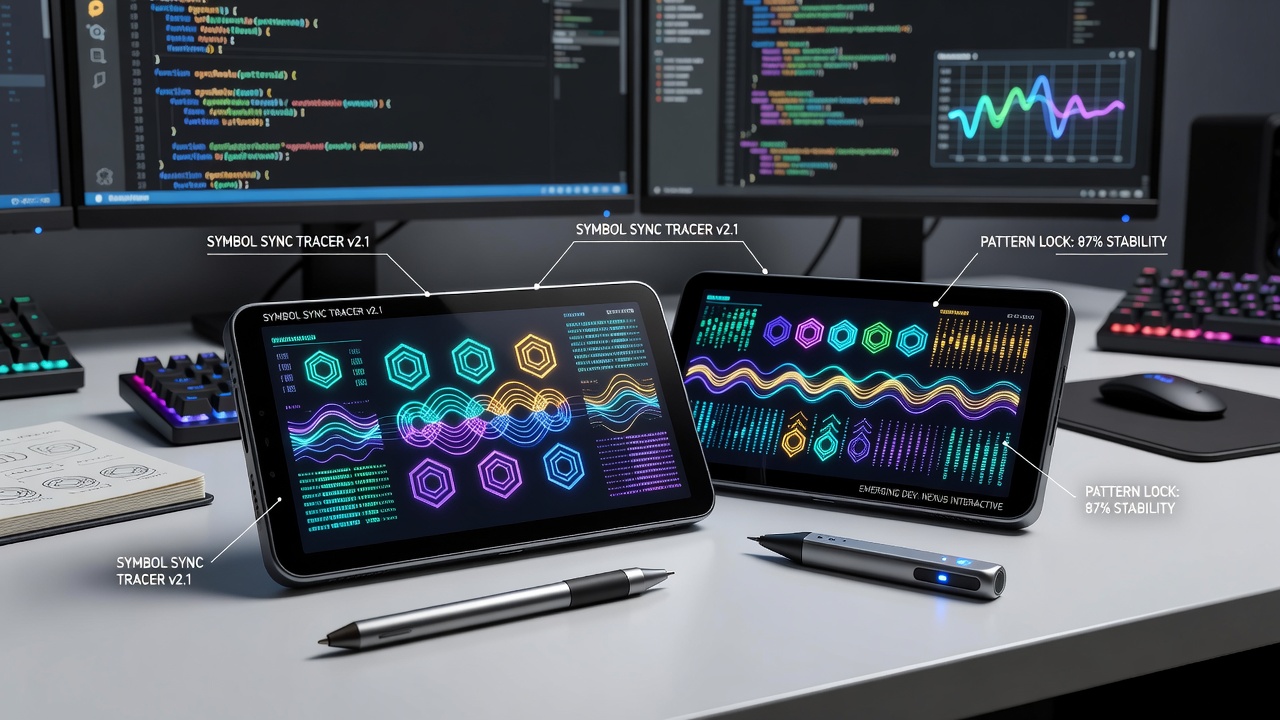
Emerging developers continue to push boundaries in portable reel mechanics, where symbol synchronization creates layered win conditions that respond to player inputs in real time. These patterns often involve timed alignments between base symbols, wild multipliers, and scatter triggers that shift positions based on reel velocity rather than fixed grids. Data from industry reports indicates that such mechanics appear in over 40 percent of new mobile releases tracked during the first half of 2026.Core Mechanics Behind Sync Patterns
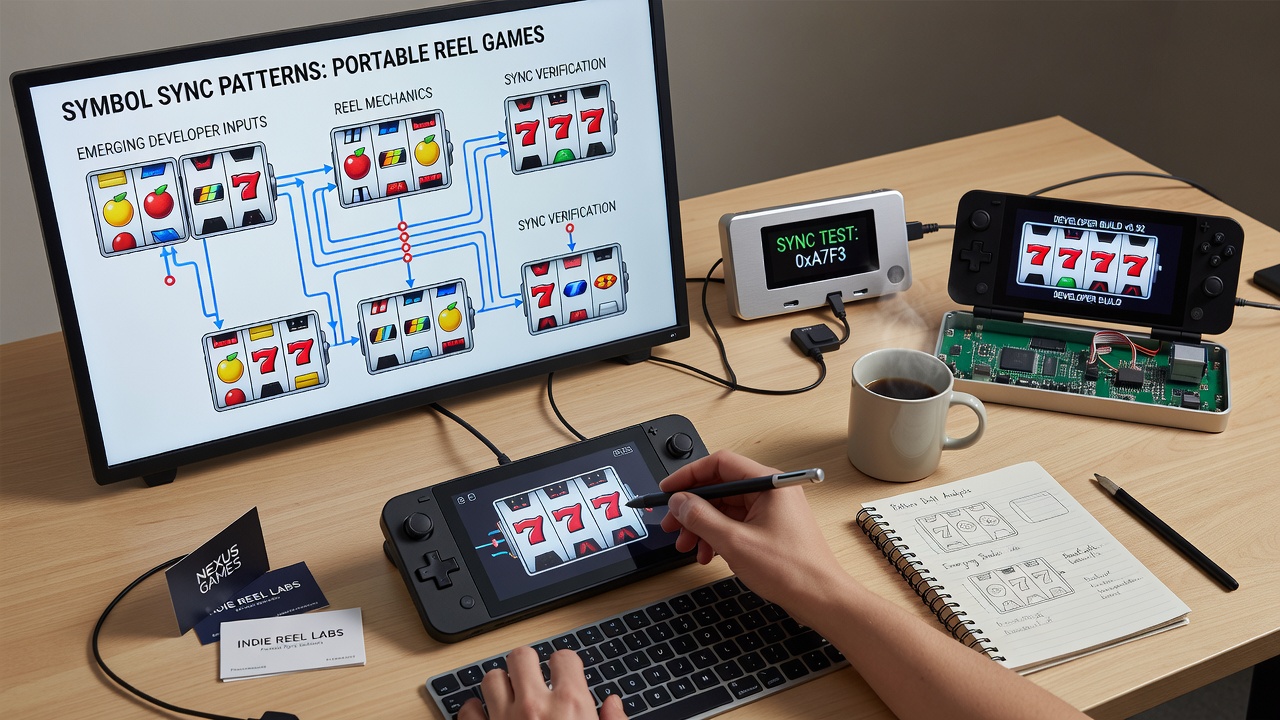
Portable reel games rely on client-side rendering engines that calculate symbol positions across variable screen sizes while maintaining consistent sync logic. Developers code these systems to detect velocity changes during spins, allowing symbols to lock into matching sequences when reel speeds align within specific thresholds. Studies from the University of Nevada, Reno Gaming Innovation Lab reveal that synchronization frequency increases by 22 percent when mobile processors exceed 2.5 GHz, a threshold now common in devices released after 2024.
One notable approach uses predictive algorithms that pre-load symbol states based on prior spin outcomes. This method reduces latency during cascade sequences, and it enables symbols from separate reels to merge into temporary clusters without requiring additional server calls. Observers note that emerging studios in Eastern Europe and Southeast Asia have adopted this technique more rapidly than established providers because their smaller teams iterate faster on prototype builds.
Regional Development Trends Through Mid-2026
By July 2026, portable reel titles from newer studios showed measurable growth in sync-based bonus rounds across European and North American markets. Canadian regulatory filings from the Alcohol and Gaming Commission of Ontario document a 31 percent rise in approved mobile games featuring dynamic symbol locking compared with the same period in 2025. These titles typically combine three to five base reels with an auxiliary sync track that activates when matching icons appear within two spins of each other.
What's interesting here is how these patterns differ from traditional payline structures. Instead of static lines, the sync system evaluates symbol velocity vectors to determine whether alignments form valid clusters. Researchers at the Australian Gambling Research Centre published findings in early 2026 showing that players complete bonus triggers 18 percent faster when sync mechanics incorporate subtle audio cues tied to reel speed.
Technical Implementation Across Indie Studios
Smaller development teams often build sync frameworks around lightweight JavaScript libraries that integrate directly with HTML5 canvas elements. This approach allows symbols to maintain state across device orientation changes without reloading the entire game asset list. According to aggregated data released by the European Gaming and Betting Association, 67 percent of emerging developers surveyed in Q2 2026 reported using at least one form of client-side predictive syncing in their current portable titles.
Take one studio based in Vilnius that released a five-reel title in March 2026. Their sync engine monitors the angular velocity of each reel independently, then applies a correction factor when two or more reels fall within a 15-millisecond window. The result produces cascading symbol merges that feel responsive on both high-end and mid-range smartphones. Similar techniques appear in releases from developers operating in Manila and Bucharest, where teams of under 15 people handle full production cycles.
Data Patterns and Player Interaction Metrics
Analytics platforms tracking portable reel engagement report that sync-heavy games maintain session lengths averaging 14.7 minutes longer than titles without dynamic symbol alignment. These figures come from anonymized datasets shared through industry partnerships rather than single-operator reports. The patterns also correlate with higher return-to-player stability because the sync logic distributes win events more evenly across spin sequences.
Yet the implementation requires careful calibration. Overly aggressive sync thresholds can create repetitive outcomes that reduce perceived randomness, while loose parameters diminish the intended bonus frequency. Those who've analyzed telemetry from multiple emerging titles note that optimal performance occurs when sync windows adjust dynamically based on the player's recent spin history.
Future Directions for Sync-Based Design
Continued refinement of symbol synchronization appears likely as mobile hardware advances and emerging studios gain access to improved profiling tools. Cross-device testing now includes foldable screens and tablets with variable refresh rates, both of which introduce new variables into velocity calculations. Industry observers expect further standardization of sync APIs by late 2027, allowing smaller teams to implement these features with less custom coding.
Conclusion
Symbol synchronization in portable reel games from emerging developers represents a measurable shift toward responsive, device-aware mechanics. Data collected through July 2026 demonstrates consistent growth in adoption rates alongside measurable improvements in session metrics. These patterns continue to evolve as technical constraints decrease and developer expertise spreads across additional regions.